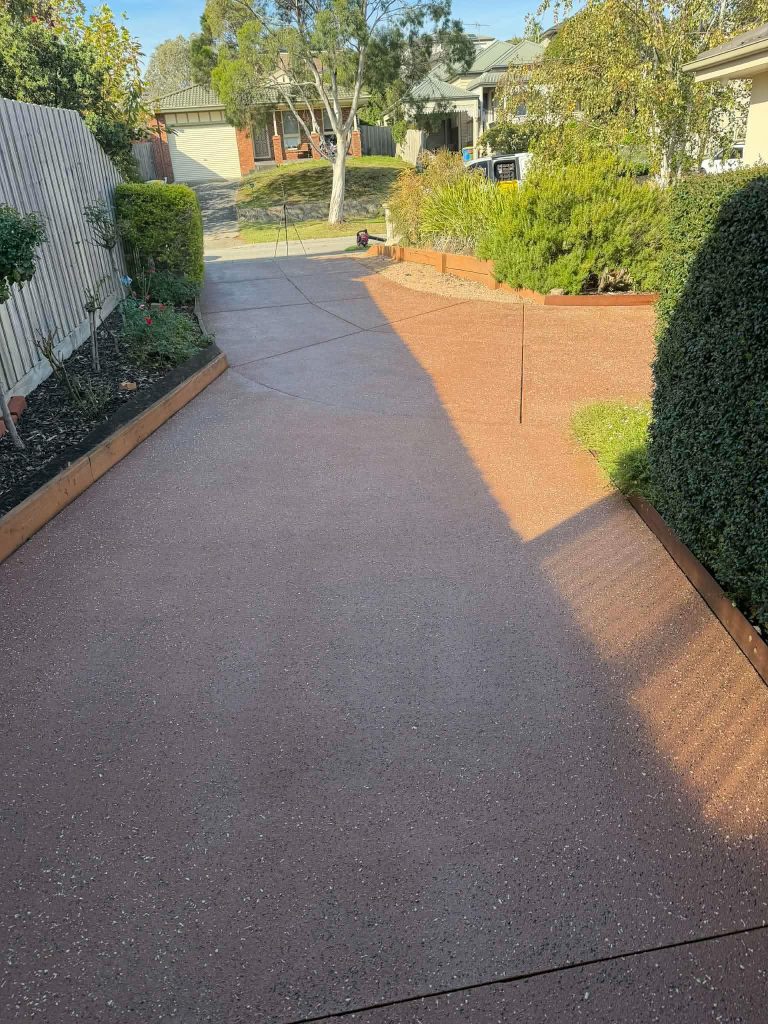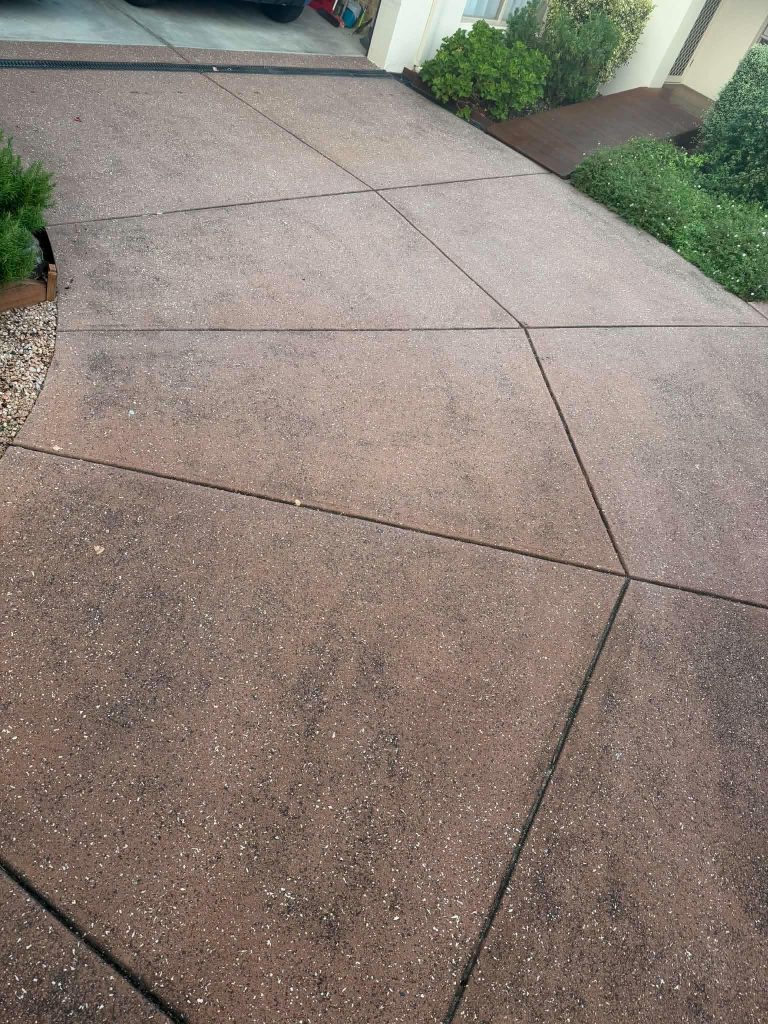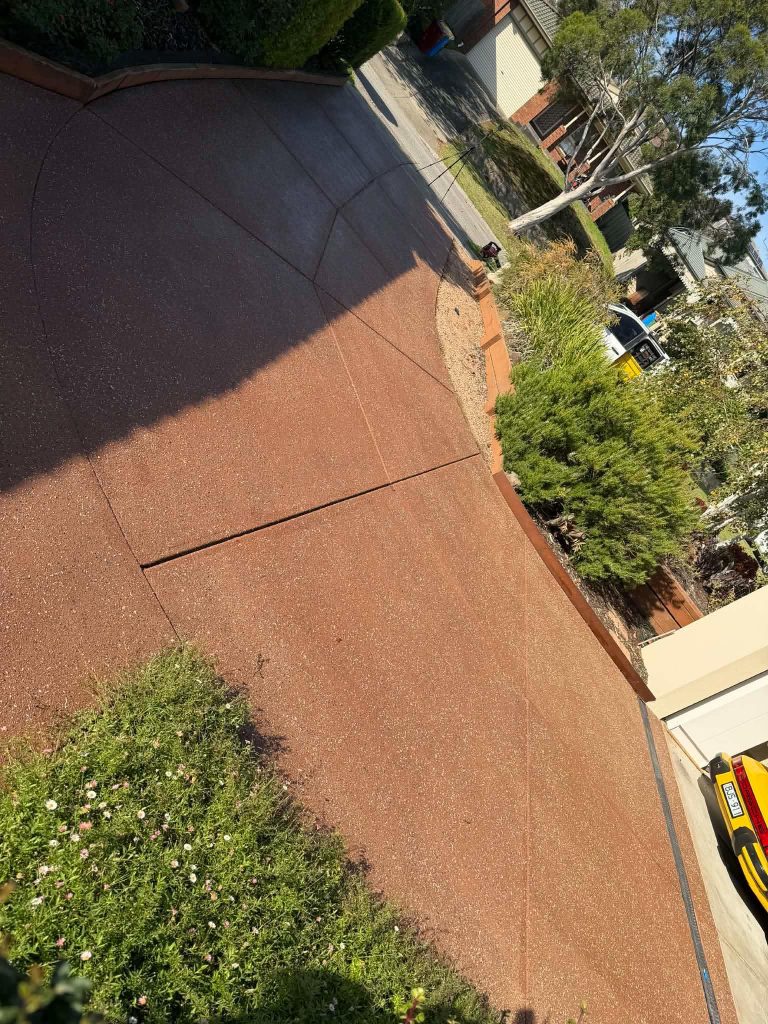
Concrete Sealing Cowes
Concrete Sealing in Cowes
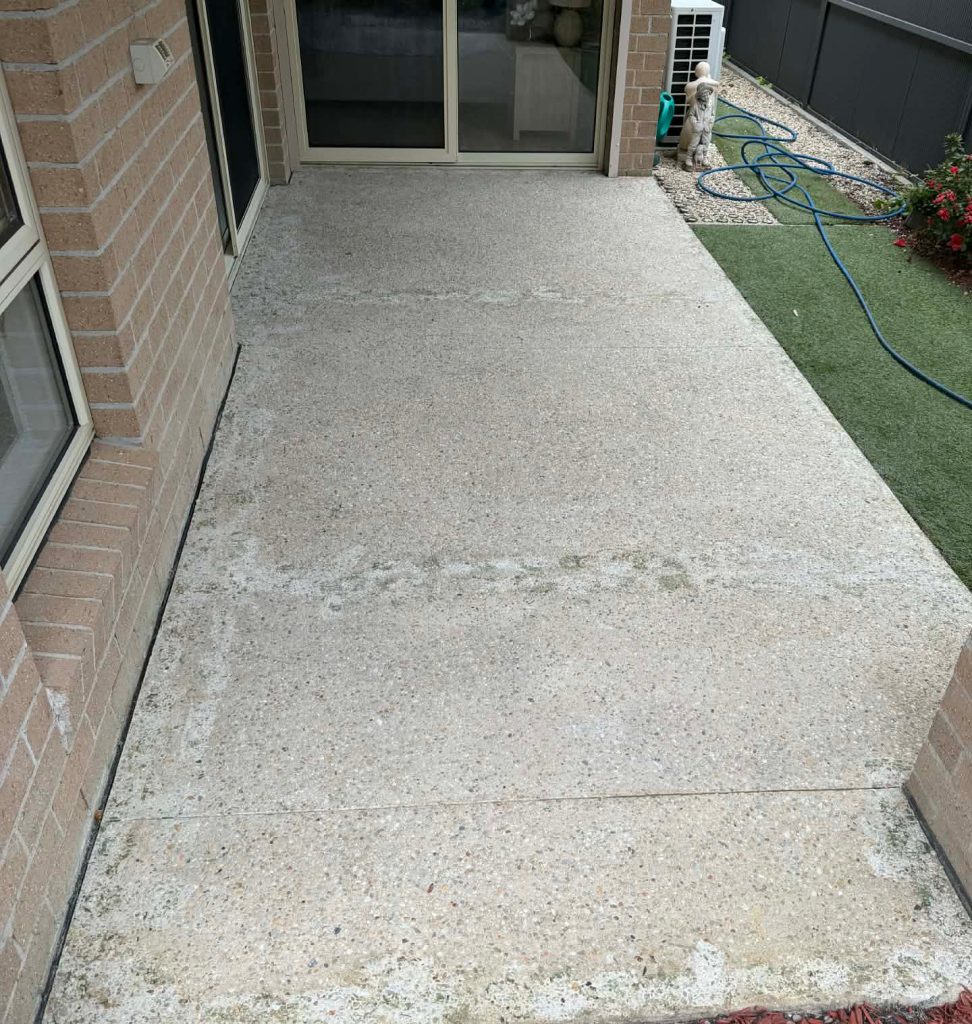
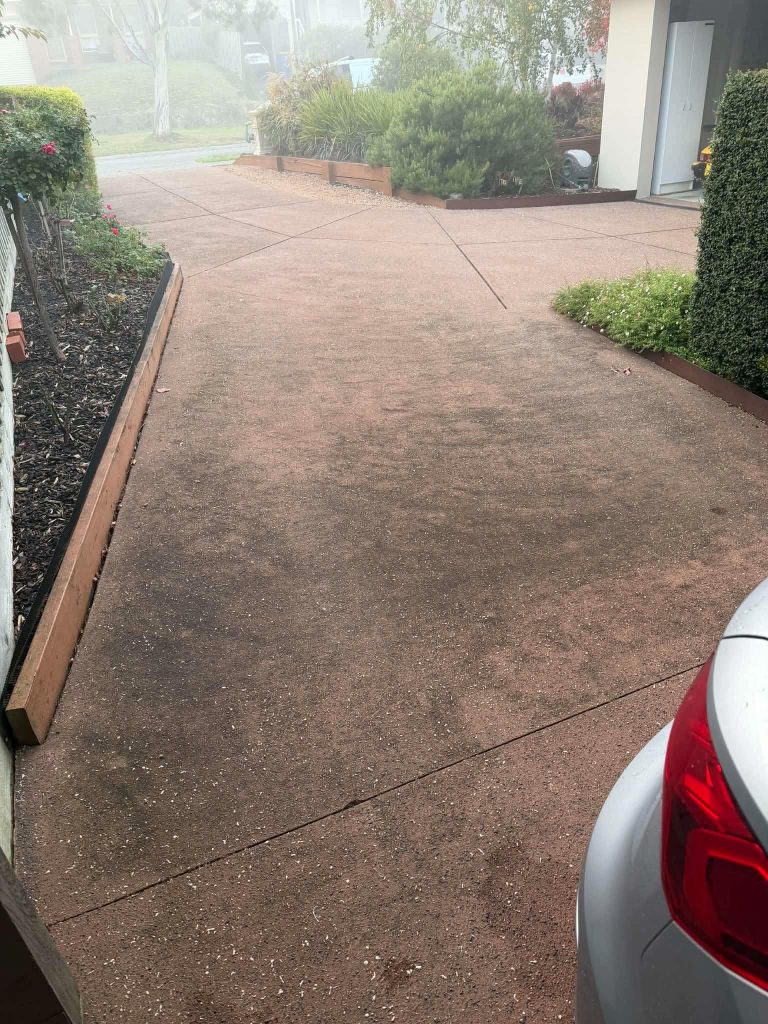
Cowes driveways take what the conditions throw at them. Salt air, UV, leaf tannin, oil at the garage threshold, and the general weathering that wears any exterior concrete surface over years.
For direct foreshore and coastal areas like Cowes, we’re more careful with sealer choice and preparation because salt air, moisture, wind-blown grit and outdoor exposure can be harder on concrete coatings.
Nupave has been sealing concrete across Cowes and surrounding areas since 1993. The work we do is straightforward: protect what’s there, defer replacement, recommend the right job not the most expensive one.
Types of Concrete Sealer We Use in Cowes
Sealer choice depends on the concrete, the finish you want and the exposure conditions.
Marine-grade penetrating sealers — what we use on most foreshore-side driveways. Tolerates continuous salt exposure without breaking down.
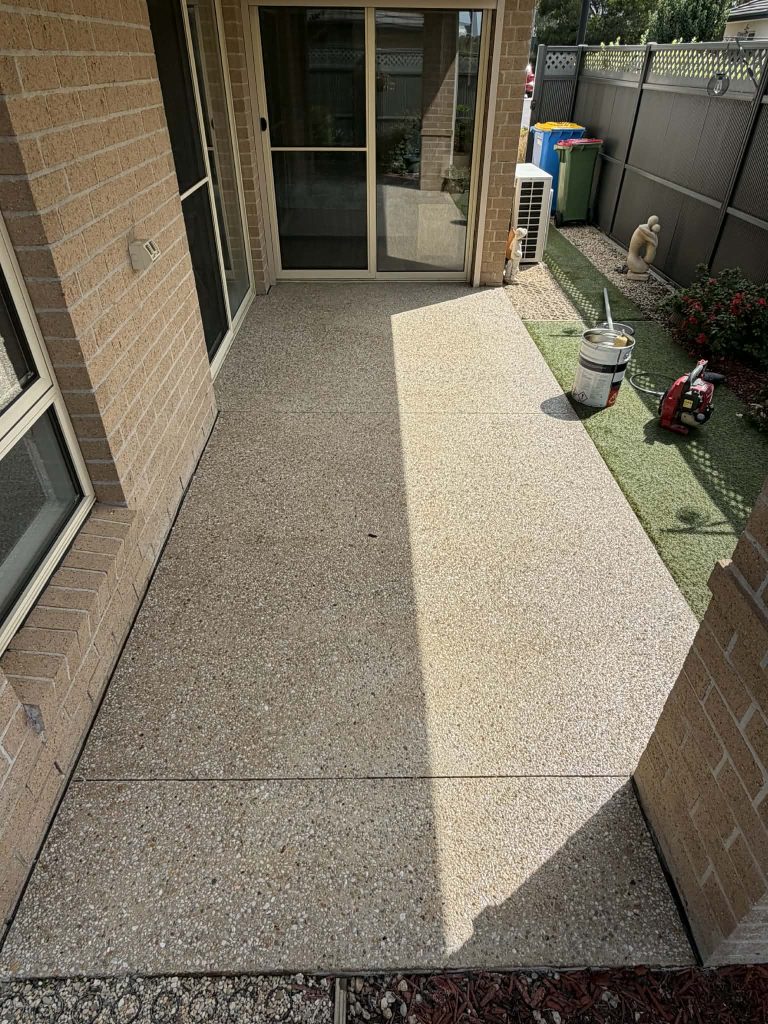
Coloured penetrating sealers refresh faded coloured concrete or transform tired plain driveways with a tinted finish.
Anti-slip sealers add fine aggregate for steep sections, pool surrounds and pathways where wet-weather grip matters.
Acrylic and film-forming sealers — used selectively, matte finishes only.
The 2–5 Year Reseal Cycle in Cowes
Every concrete driveway should be resealed every 2–5 years. The cycle is the same wherever you live. In Cowes, salt and coastal exposure push most properties toward the shorter end of that range. Foreshore-side properties sit at the short end; properties further back from the water can hold the longer end.
Skip the cycle and the surface starts taking accumulated damage that resealing later can slow but can’t reverse.
Pressure Washing Cowes Concrete Surfaces
Cleaning is half of what keeps concrete looking right, and our Cowes high pressure cleaning covers it: deep-set grime, mould, moss, algae and tannin staining lifted from driveways, paths, patios and pool surrounds.
The method is chosen to suit the surface rather than the machine — standard concrete cleans at higher pressure, decorative and older surfaces get controlled pressure or a low-pressure soft wash, and stains are pre-treated with biodegradable products. It works as a standalone service, a pre-sale tidy-up, or stage one of a clean and seal.
Our Concrete Sealing Process
Every Cowes sealing job follows the same approach.
- Free on-site assessment — inspect the concrete, identify the right sealer for the conditions, check structural state.
- Surface preparation — pressure clean, treat oil and stain marks, address leaf tannin staining, fill stable hairline cracks, allow surface to dry.
- Sample on a small section — apply the proposed sealer to a discreet patch so you see the tone before committing.
- Apply the sealer system — two-coat penetrating application.
- Cure and return-to-traffic — light foot traffic within hours, vehicle traffic 24–48 hours depending on weather.
- Maintenance schedule — added to the client care register for cycle reminders.
When Sealing Won’t Fix It
If the surface has lost too much paste, is showing active scaling, or has loose aggregate falling out — sealing alone isn’t the answer. We’d recommend resurfacing instead.
A properly applied resurfacing finish lasts 10–20+ years on a Cowes driveway when it’s done right and maintained on the sealer cycle. We have resurfacing work from over 20 years ago that we can still show customers. The point isn’t selling the cheapest job. It’s recommending the right one.
How Much Does Concrete Sealing Cost in Cowes
Concrete sealing in Cowes typically runs $3,500–$6,500 for a standard residential driveway. Marine-grade product and the additional prep on salt-weathered surfaces drive the cost higher than fully inland work.
- Size — most Cowes driveways are 60–100m².
- Surface condition — clean reseal vs recovery on a weathered or stained slab.
- Sealer type — marine-grade penetrating, coloured seal or anti-slip system.
- Preparation — oil treatment, crack filling and salt residue clearance add to prep.
Written quote after the on-site assessment.
Frequently Asked Questions About Sealing & Pressure Cleaning in Cowes
How often should I reseal my Cowes concrete driveway?
Every 2–5 years. Foreshore and coastal-side properties trend toward the shorter end of the range because of direct salt exposure. Properties further back can hold the longer end.
What sealer suits Cowes coastal conditions?
Marine-grade penetrating polymer sealer rated for continuous salt exposure. Standard suburban-grade product fails fast on direct foreshore driveways.
Will sealing make my driveway slippery when wet?
Not when the right product and finish are chosen. We use matte penetrating sealer that maintains slip resistance. For steep sections or pool surrounds we add fine aggregate to the sealer system. Glossy film-forming sealer is what reduces traction — we don’t use it where slip resistance matters.
Can sealing handle salt damage that’s already started?
It slows further deterioration but can’t reverse damage that’s already taken hold. If the slab has lost surface paste or shows scaling, sealing is a band-aid and we’d recommend resurfacing instead. We tell you straight at the quote visit.
How do you handle Cowes holiday-home or part-time properties?
Written assessment with photos, scope confirmed by email, work scheduled around your visits or completed while you’re not on site. Many properties run on rolling 3–4 year cycles with reminders.
How long does sealer take to dry before I can drive on it?
Light foot traffic is usually OK within a few hours. Vehicle traffic generally needs 24–48 hours depending on weather, sealer type and surface conditions.
Service Areas Around Cowes
Nupave seals concrete across Cowes and surrounding Bass Coast and South Gippsland areas — all within our service area. Most Cowes work is repeat-cycle maintenance for properties on the books, plus first-time sealing on driveways at recently-sold or recently-renovated properties.
Book a Concrete Sealing Quote in Cowes
Call Shaun on 0418 741 188 or email enquiries@nupave.com.au. Free on-site assessment, written quote within a few business days, no deposit, no pressure. If your driveway doesn’t need sealing — or if it needs more than sealing — we’ll tell you straight.