
What Is Exposed Aggregate Concrete Resurfacing
Exposed aggregate concrete resurfacing is a process that revitalizes existing concrete surfaces by applying a thin overlay that mimics exposed aggregate. Unlike new exposed aggregate concrete, which involves pouring fresh concrete with aggregates mixed in, resurfacing applies a polymer-modified cementitious coating over your existing concrete slab.
This method avoids the need for costly and disruptive demolition and replacement. Instead, it leverages your current concrete base, making it a cost effective and practical solution for driveways, patios, paths, and other outdoor areas in Melbourne. Exposed aggregate concrete resurfacing is one of several resurfacing solutions available, complementing options like stamped concrete and epoxy flooring.
The process involves thorough surface preparation to ensure strong adhesion, application of a primer, spraying the resurfacing mix, and finishing with a protective sealer. When your existing concrete is structurally sound but shows signs of wear or discoloration, exposed aggregate resurfacing offers a durable, decorative upgrade tailored to Melbourne’s climate and usage demands.
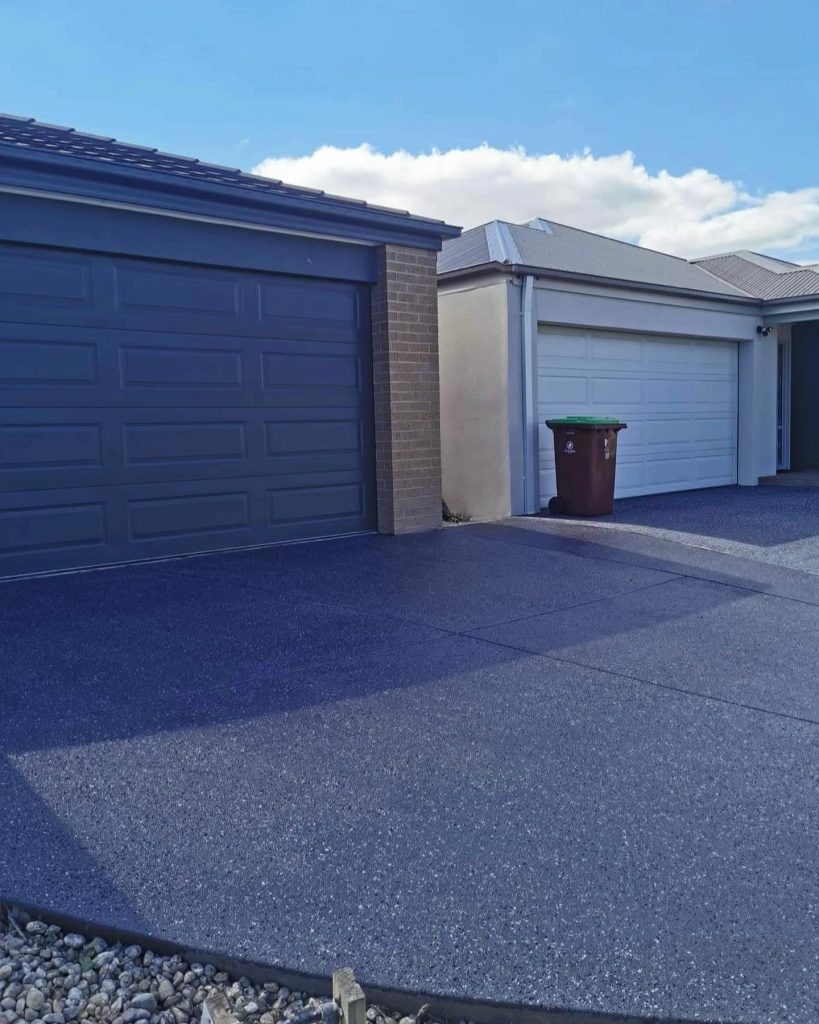

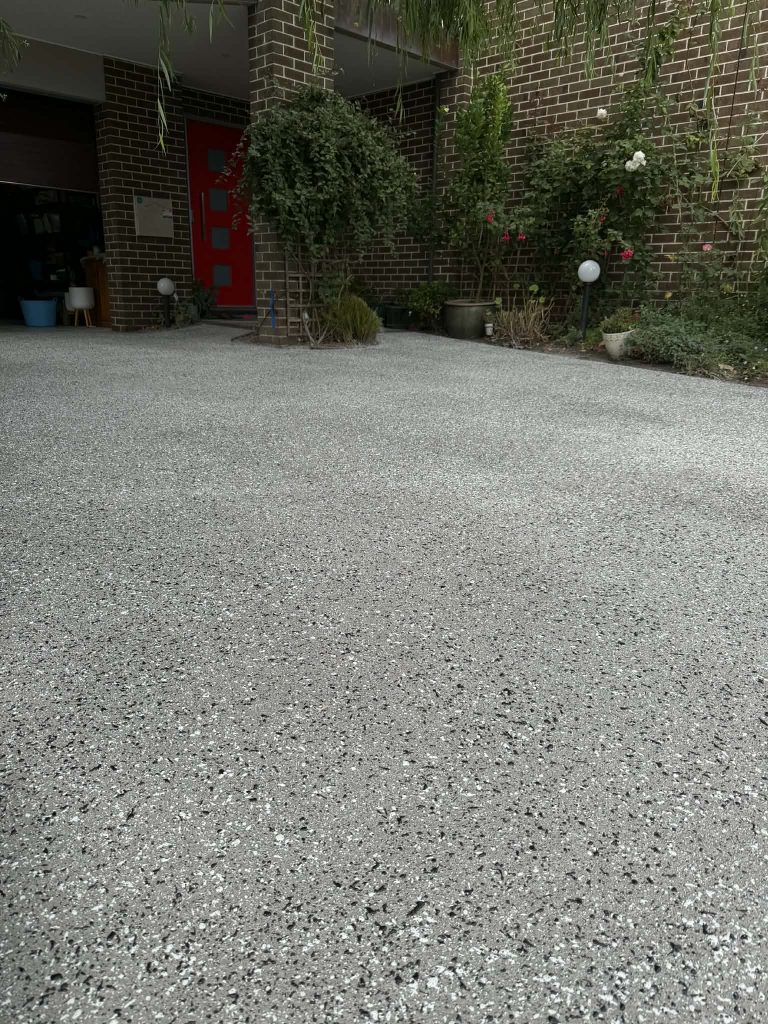
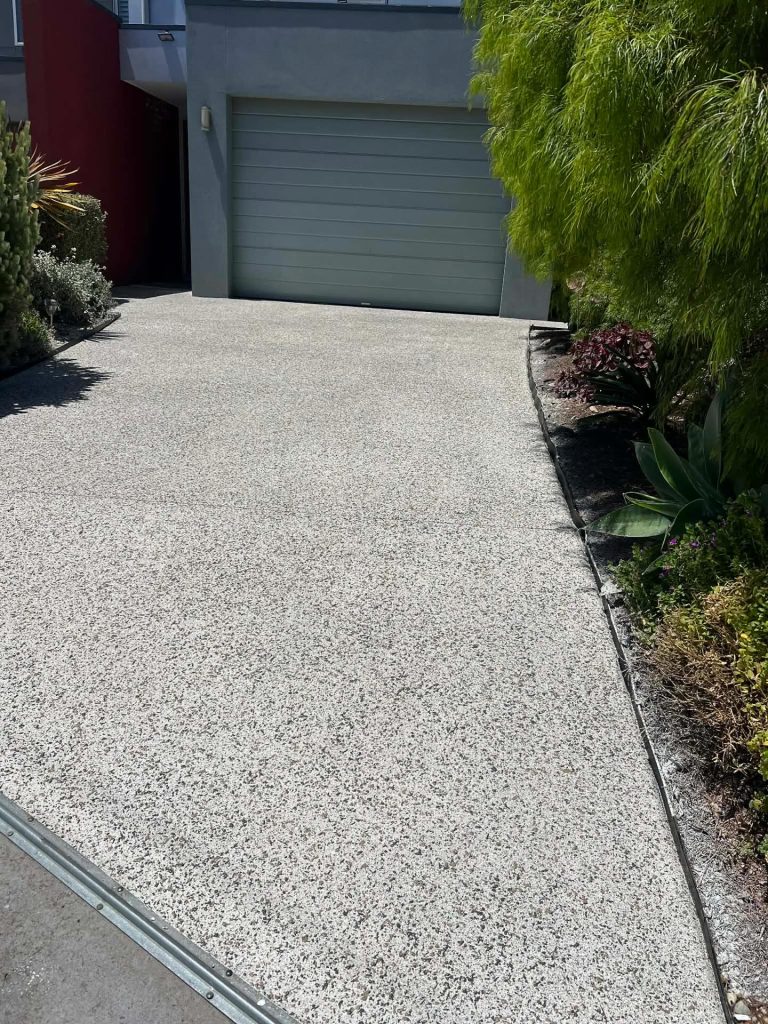
Where Exposed Aggregate Resurfacing Works Best
Driveways
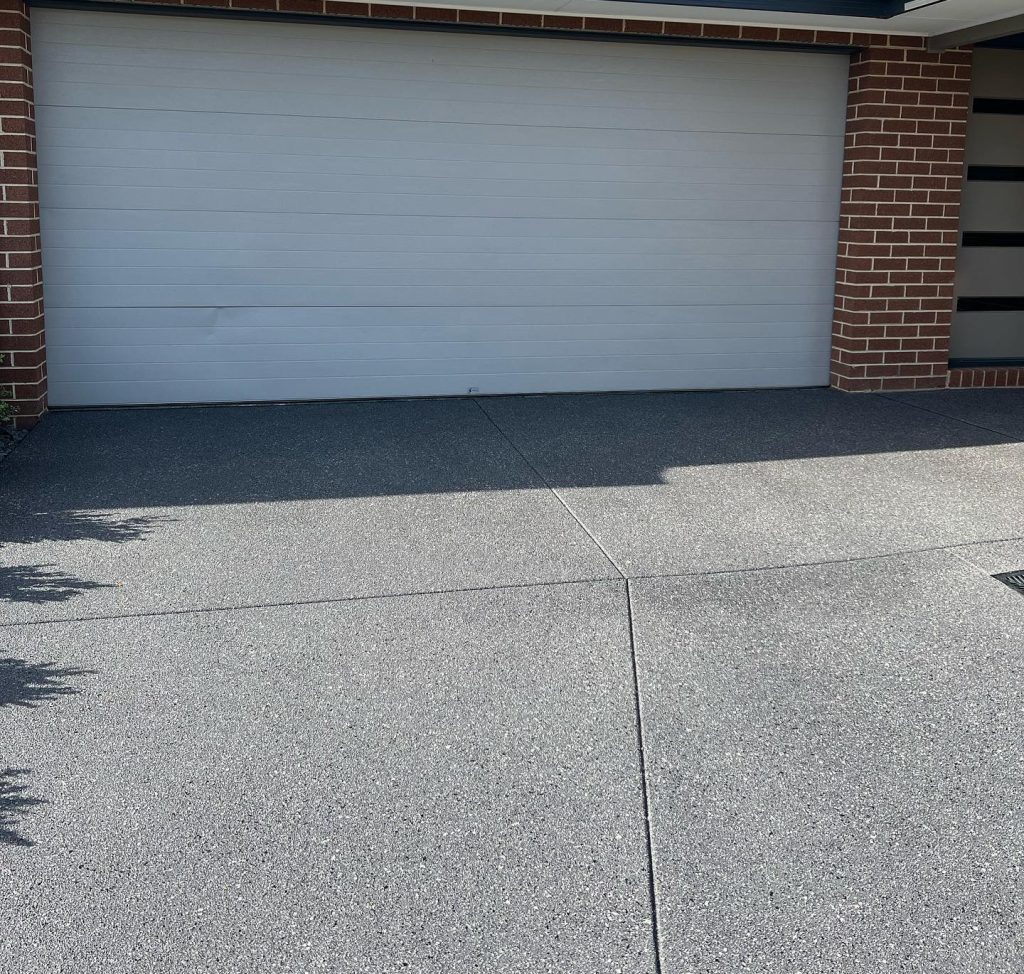
Exposed aggregate driveway resurfacing is ideal for Melbourne homeowners wanting to restore worn concrete without full replacement. The textured finish withstands vehicle traffic and offers slip resistance, especially important during wet weather. It suits concrete that has minor surface damage but retains structural integrity.
Outdoor Entertainment Areas and Patios
Patios and alfresco spaces benefit from the natural stone look and textured grip of exposed aggregate resurfacing. It enhances aesthetics while providing a safe, durable surface for barefoot traffic and outdoor furniture.
Pool Surrounds
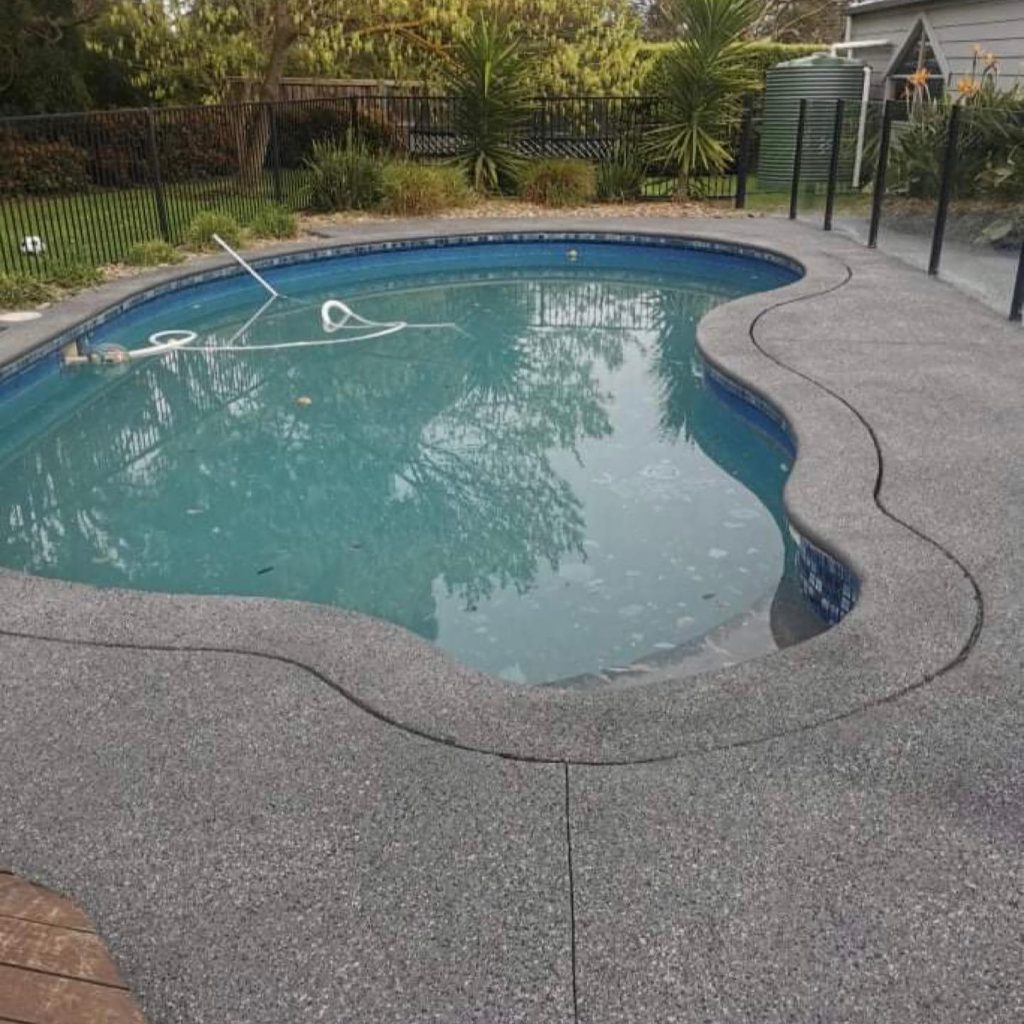
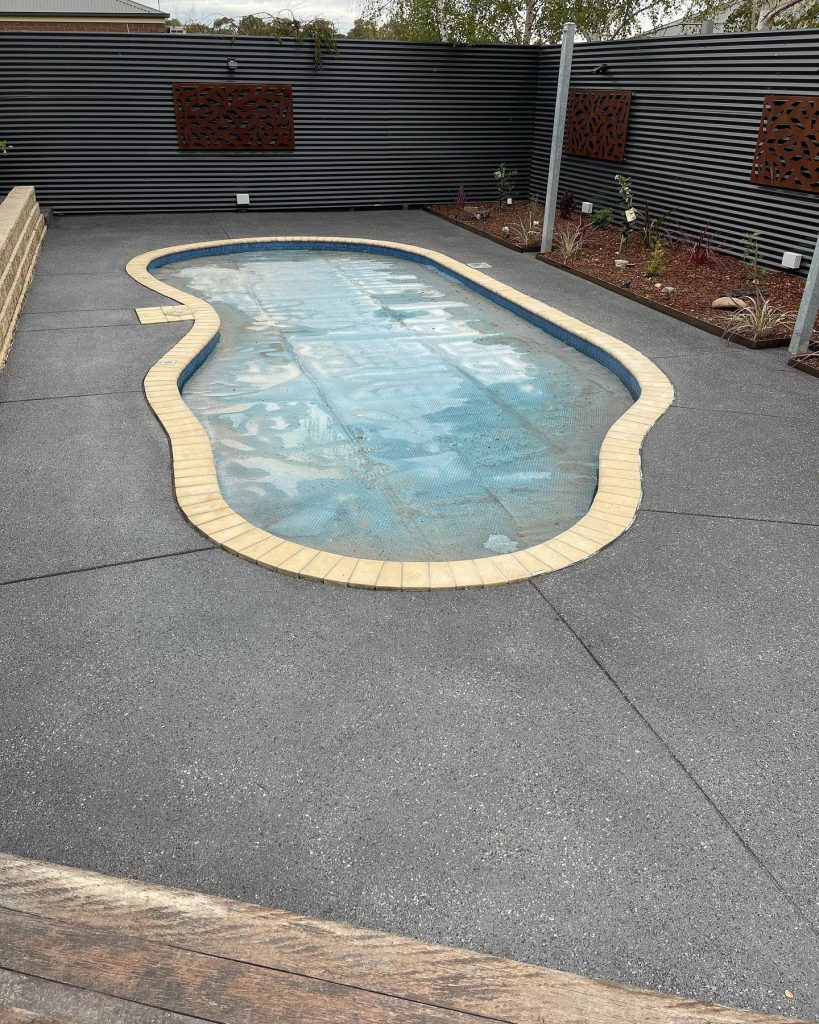
Safety is critical around pools. Exposed aggregate resurfacing creates a slip-resistant finish that handles pool chemicals and sun exposure. Proper sealing protects the surface and maintains appearance over time.
Pathways and Walkways
For footpaths and garden walkways, resurfacing adds durability and visual appeal without the need for thick concrete layers. The finish reduces slip hazards and complements landscaping.
Commercial and Public Spaces
High-traffic commercial areas such as café terraces, office entrances, and pedestrian zones benefit from the durability and slip resistance of exposed aggregate resurfacing. It meets Australian slip resistance standards and requires minimal maintenance.
Benefits of Exposed Aggregate Resurfacing
Slip Resistance
The textured surface created by exposing aggregates naturally improves grip, reducing slip risks in Melbourne’s frequent wet conditions. This is especially valuable for driveways, pool surrounds, and outdoor paths.
Durability
The overlay protects the underlying concrete and withstands thermal movement caused by Melbourne’s temperature fluctuations. Proper installation with control joints ensures long-lasting performance without cracking.
Visual Appeal
Exposed aggregate resurfacing offers a range of aggregate colours and sizes, allowing customisation to match your property’s style. The finish rejuvenates tired concrete with a premium, natural stone appearance.
Cost Effectiveness
Compared to full concrete replacement, resurfacing is significantly more affordable. It eliminates demolition, waste removal, and extensive base preparation costs, delivering a high-quality finish at a fraction of the price.
Quick Installation
The resurfacing process takes days rather than weeks. Minimal disruption means faster return to use—foot traffic in 1-3 hours, vehicle access in about a week, depending on weather.
UV Resistance
High-quality sealers protect against sun damage and fading, preserving the finish’s colour and texture for years.
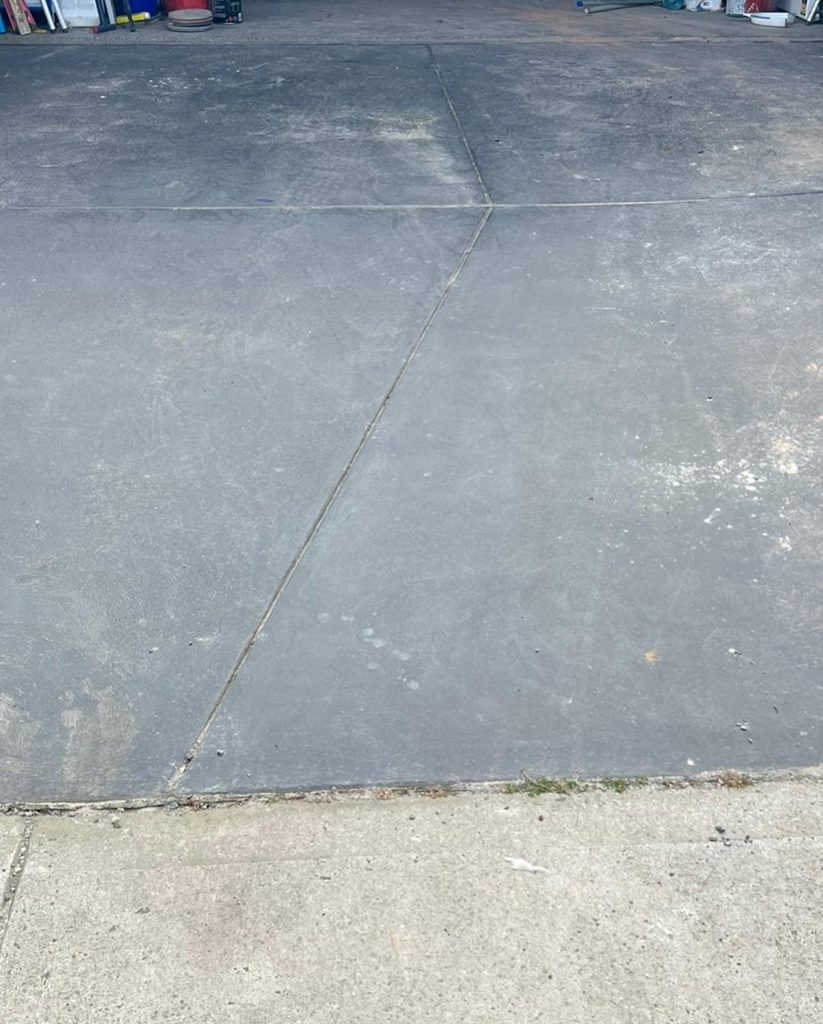
Exposed Aggregate Resurfacing vs New Concrete Installation
Cost Comparison
Resurfacing costs typically range between $55 and $90 per square metre, while new exposed aggregate concrete installation can exceed $130 to $200 per square metre. The savings come from avoiding demolition, base work, and material costs.
Service Type | Cost per Square Metre |
|---|---|
New exposed aggregate concrete | $130–$200+ |
Exposed aggregate resurfacing | $55–$90 |
Time and Practicality
For a standard 100m² driveway, new exposed aggregate concrete is not usually a 2–3 week construction process. In many cases, removal, preparation, forming, pouring and finishing can be completed in around 4 working days, depending on access, weather, drainage, excavation requirements and site conditions.
Exposed aggregate resurfacing is also not instant. A properly prepared resurfacing job may take 2–4 days depending on whether grinding, repairs, priming, base coats, fleck coats and sealing are required.
The real time difference is not always in the installation days. It is often in the level of disruption. New concrete usually involves demolition, removal of old concrete, trucks, machinery, excavation, formwork and a full new pour. Resurfacing keeps the existing slab in place, which generally means less mess, less waste and less disruption to the property.
Both new concrete and resurfaced concrete need curing time before normal vehicle traffic. As a general rule, allowing around 7 days before driving on the surface is a safer expectation, although this can vary depending on product, temperature, weather and site conditions.
Environmental Considerations
Resurfacing reuses your existing concrete base, reducing waste and environmental impact. This sustainable approach aligns with increasing demand for eco-friendly resurfacing in Melbourne.
Our Exposed Aggregate Resurfacing Process
Step 1: Surface Preparation
We inspect your concrete to confirm suitability. The surface is cleaned using high-pressure washing to remove dirt, oils, and loose material. Any minor cracks are repaired, and the surface is mechanically roughened to ensure strong bonding.
Step 2: Primer Application
A primer is applied to promote adhesion between the old concrete and the new overlay. We select primers formulated for Melbourne’s climate to ensure optimal performance.
Step 3: Resurfacing Application
After surface preparation, a polymer-modified resurfacing compound is applied to the existing concrete. Two spray coats of the chosen base colour are installed, followed by 1–3 decorative fleck coats to mimic the natural variation of exposed aggregate stone. The result is an exposed aggregate-style resurfacing finish, not a full-depth exposed aggregate concrete pour.
Step 4: Sealing and Curing
After curing, a protective sealer with UV resistance and slip-resistant properties is applied. This seals the surface against moisture, staining, and wear, extending the lifespan of the finish.
Maintenance and Longevity of Exposed Aggregate Resurfacing
Lifespan
Properly installed and maintained, exposed aggregate resurfacing lasts 10-20+ years in Melbourne’s conditions.
Cleaning
Regular removal of debris and occasional pressure washing maintain appearance. Avoid harsh chemicals that can degrade sealers.
Sealing
Reapply sealers every 2-5 years to protect against UV damage and maintain slip resistance, especially in high-traffic or poolside areas.
Wear Signs
Watch for fading, dullness, or coating loss. Early maintenance prevents costly repairs.
Maintenance and Longevity of Exposed Aggregate Resurfacing
Expected Lifespan
With proper installation and maintenance, sprayed-on exposed aggregate resurfacing surfaces last 10-20+ years across Melbourne before requiring major attention. Quality surface preparation, correct application of coloured flecks, and regular sealing extend this timeline significantly.
Regular Cleaning Requirements
Remove leaves, debris, and dirt regularly to prevent buildup that can trap moisture and promote moss growth. Periodic high-pressure cleaning maintains appearance—but avoid excessive pressure that could damage the sprayed coating.
Sealer Reapplication Schedule
Plan for resealing every 2-5 years for residential driveways and outdoor areas. Pool surrounds and high-traffic commercial spaces may require more frequent attention. Quality penetrating or film-forming sealers with UV protection maintain both appearance and slip resistance.
Signs of Wear to Watch
Monitor for surface dulling, colour fading, water absorption (persistent wet spots), minor coating loss, and reduced slip resistance during wet weather. Early attention prevents small issues becoming expensive problems.
Professional Maintenance Services
Regular cleaning combined with resealing maintains long-lasting finishes without full resurfacing. Professional assessment identifies developing issues before they compromise surface integrity or safety.
Protection Tips
Avoid harsh chemical cleaners that can damage sealers or stain the coating. Prevent heavy impact from dropped tools or equipment. Address oil spills promptly before they penetrate the surface.
Frequently Asked Questions
How long does exposed aggregate resurfacing last compared to new concrete?
A well-built and properly maintained new concrete slab can last 30–50 years or more, depending on ground conditions, drainage, reinforcement, concrete quality and ongoing use. Exposed aggregate resurfacing is different because it is a resurfacing system applied over an existing slab, not a full new concrete pour.
When installed over sound concrete and maintained correctly, exposed aggregate resurfacing can last 10–20+ years. Its lifespan depends heavily on surface preparation, the condition of the original concrete, traffic levels, sealing, drainage and resealing intervals.
The advantage of resurfacing is not that it outlasts new concrete. The advantage is that it can restore and transform suitable existing concrete for a much lower cost and with far less disruption than demolition and replacement. Like most concrete coatings and sealing systems, it can also help protect the slab from surface wear, moisture absorption and weather exposure, which may support the long-term life of the concrete when properly maintained.
Can exposed aggregate resurfacing be applied over any existing concrete surface?
Resurfacing requires structurally sound existing concrete. Surfaces with minor cracks, wear, staining, or age respond well. However, concrete with major structural movement, severe spalling, rising damp, or deep cracking typically needs full replacement rather than overlay application.
What maintenance is required for exposed aggregate resurfaced driveways?
Regular cleaning removes debris and prevents moss buildup. Pressure washing once or twice yearly maintains appearance. Resealing every 2-5 years protects against UV damage and moisture penetration. Avoid harsh chemicals and address stains promptly.
How does Melbourne weather affect exposed aggregate resurfacing durability?
Melbourne’s temperature extremes stress concrete through expansion and contraction. Quality installation includes appropriate control joints and reinforcement to manage movement. Proper curing during installation—avoiding rapid drying or rain washout—ensures long-term durability. Clay soil reactivity requires stable base conditions before resurfacing.
Is exposed aggregate resurfacing suitable for steep driveways?
Yes, with appropriate specification. The sprayed coating with coloured flecks provides excellent grip on slopes. The textured surface naturally offers more traction than smooth concrete finishes, making it well-suited for Melbourne’s hilly suburbs where wet weather creates challenging conditions.
Can the aggregate colour and size be customised for specific design preferences?
Absolutely. Choose from a wide range of coloured flecks that mimic natural stones including river pebbles, basalt, granite, and quartz in various colour tones. Fleck sizes range from fine to coarse depending on desired texture and application. Custom blends combine multiple colours for unique appearances, though premium materials increase project costs.