
Frequently Asked Question with Real Solutions
Nupave’s Concrete Help Centre is an ongoing project that will continue to grow as we encounter new problems, solutions and real-world concrete issues across Melbourne. Our intent is to not only explain the issue and how to rectify it but to show you and give you a guide you can work from and gain an understanding. This page was created to help people make informed decisions, better understand concrete problems and learn practical ways issues may be repaired or prevented.
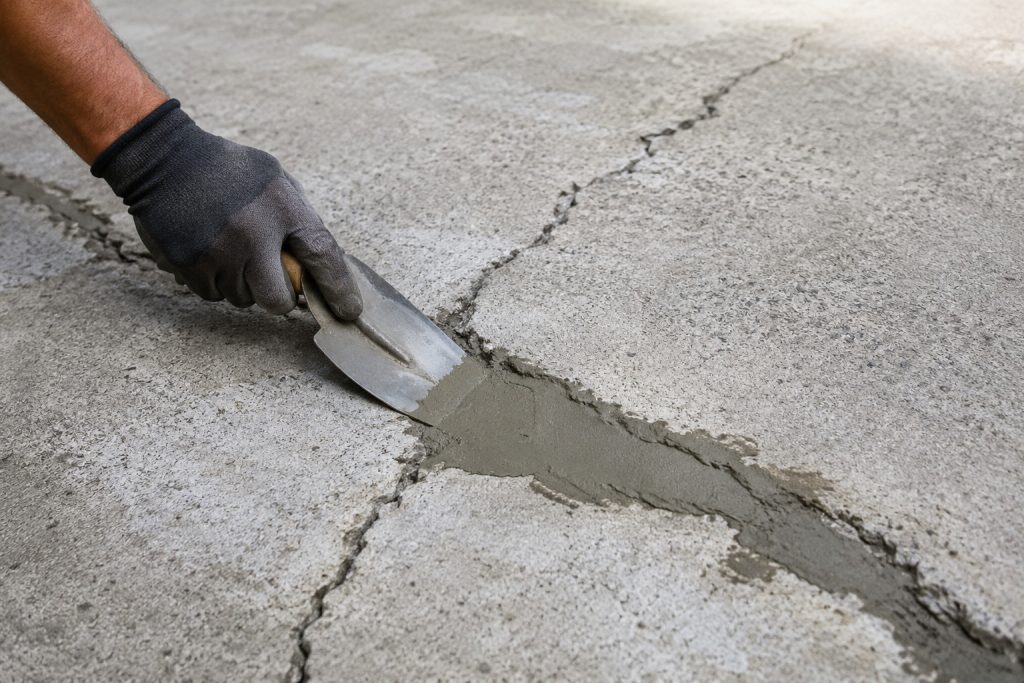
Concrete Repair
Concrete damage can occur for many reasons including ground movement, moisture penetration, heavy vehicle traffic, poor drainage, ageing concrete and steel reinforcement corrosion. At Nupave, we provide a range of concrete repair solutions designed to improve both the appearance and condition of damaged concrete surfaces across Melbourne.
Our concrete repair services include crack repairs, cross stitching, spalling repairs, concrete cancer treatment, washout repairs, edge repairs, surface patching and restoration of worn or deteriorated decorative concrete finishes. We also repair damaged control joints, trip hazards and areas affected by surface breakdown or moisture-related deterioration.
Where possible, we aim to restore and preserve existing concrete rather than recommend unnecessary replacement. Every repair is assessed individually, as different types of concrete damage require different repair methods depending on the cause, severity and future movement potential of the slab.
From residential driveways and pathways through to commercial concrete repairs and ongoing maintenance programs, Nupave provides practical repair solutions focused on presentation, longevity and preventative maintenance.
How Should you Repair Concrete Cracks?
Concrete Crack Repair
Concrete cracks can occur from ground movement, shrinkage, tree roots, moisture changes, heavy vehicle traffic or slab settlement over time. In this concrete crack repair article, we explain the different types of concrete cracking, what causes them, and when cosmetic repairs may be suitable versus when more structural repair methods may be required.
We also cover repair techniques including crack chasing, cross stitching and movement-related repairs used on driveways, pathways and decorative concrete surfaces. Understanding why concrete cracks is important in selecting the right repair method and helping reduce the risk of future deterioration or recurring movement.
Can Concrete Damaged by Rain During Pour be Fixed?
Concrete Damaged by Rain During Pour
Rain can seriously affect freshly poured concrete if the surface has not had enough time to properly set. In this article, we explain how concrete damaged by rain during pour can lead to surface weakening, dusting, scaling, washouts, uneven curing and long-term durability issues if not addressed correctly.
We also cover the signs of rain-damaged concrete, when repairs may be possible, and when replacement may be the better long-term option. From light surface marking through to severe washout and weakened concrete finishes, understanding the extent of the damage early is critical in preventing future deterioration.
What is Concrete Cancer and Spalling?
Concrete cancer and spalling are both signs of concrete deterioration. Spalling is when the surface flakes, chips or breaks away, often from moisture, poor concrete, impact or corrosion underneath. Concrete cancer is more serious and usually happens when steel reinforcement inside the concrete rusts, expands and forces the surrounding concrete to crack or break apart.
Not all spalling means concrete cancer, but both should be inspected properly before resurfacing, coating or sealing. If the underlying cause is ignored, the repair can fail again.
Learn more about concrete cancer and spalling repair
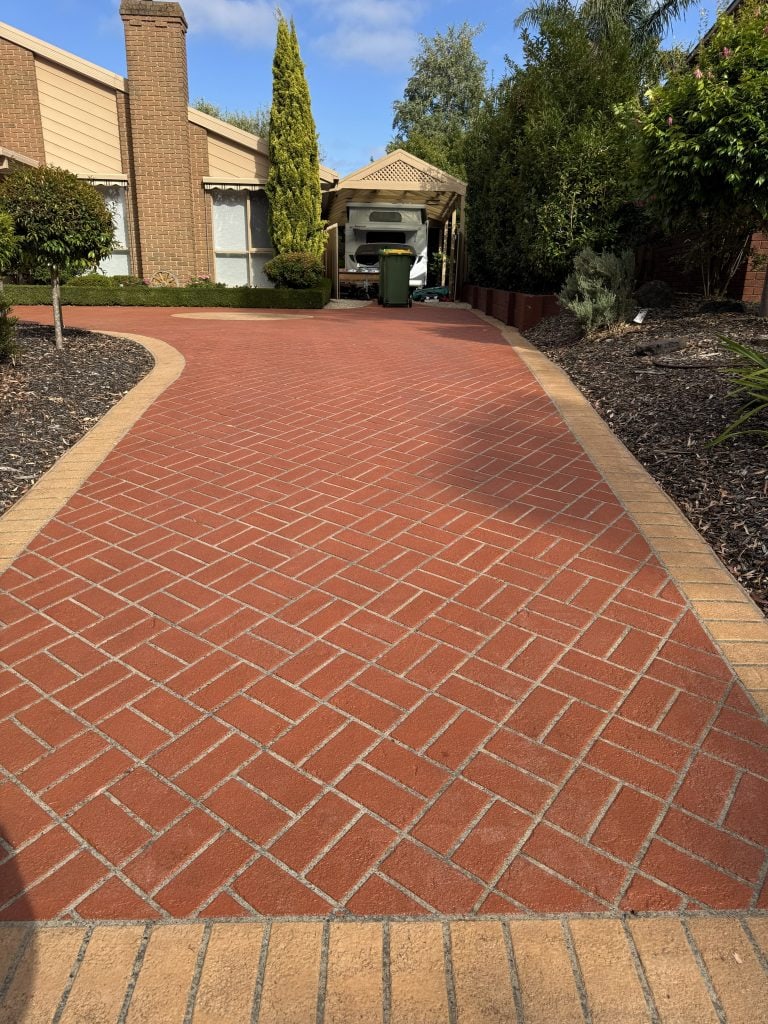
Concrete Resurfacing
Concrete resurfacing is a cost-effective alternative to removing and replacing existing concrete. In this section of our Concrete Help Centre, we cover what concrete resurfacing is, how resurfacing systems work, typical pricing considerations and the different decorative finishes available including stencil, slate, exposed aggregate resurfacing.
We also explain common resurfacing problems such as delamination, whitening, sealer failure, moisture-related issues and premature wear, along with the factors that can cause them including poor preparation, incorrect sealing methods and underlying slab movement. Understanding both the benefits and limitations of concrete resurfacing is important in selecting the right system and maintaining long-term performance.
What Is Concrete Resurfacing?
What Is Concrete Resurfacing?
Concrete resurfacing is the process of applying a new decorative coating system over existing sound concrete to improve its appearance, texture and durability without the cost and disruption of full replacement. In this article, we explain what concrete resurfacing is, how resurfacing systems bond to existing concrete and the different finishes available including stencil concrete, slate impression, exposed aggregate resurfacing and colour sealing systems.
We also cover where concrete resurfacing can be used, what preparation is required, common misconceptions about resurfacing and the factors that determine whether an existing concrete slab is suitable for resurfacing or may require repairs first.
How much Does Concrete Resurfacing Cost?
Concrete Resurfacing Cost Melbourne
Concrete resurfacing costs in Melbourne can vary depending on the size of the area, condition of the existing concrete, preparation required and the decorative finish selected. In this article, we explain the main factors that influence concrete resurfacing pricing including crack repairs, grinding, surface levelling, sealing systems and the type of resurfacing finish being applied.
We also cover the differences in cost between stencil concrete, slate impression, spray paving, exposed aggregate resurfacing and colour sealing systems, along with the long-term value resurfacing can provide compared to removing and replacing existing concrete. Understanding what affects pricing is important when comparing resurfacing quotes and selecting the right system for your project and budget.
How Long Does Concrete Resurfacing Last?
Quality concrete resurfacing can last 10–20+ years when the existing concrete is suitable, the surface is prepared correctly, and the coating system is maintained over time.
The lifespan depends on the condition of the original slab, preparation method, product system, traffic levels, drainage, sun exposure, movement in the concrete, and whether the surface is resealed when required.
Driveways, patios and outdoor areas usually need periodic resealing to protect the finish, maintain colour, and reduce wear. In many cases this may be every 2–5 years depending on exposure and use.
Concrete resurfacing is not designed to fix major structural movement, sinking slabs or badly failed concrete, but when applied over a sound surface it can provide a long-lasting decorative finish at a much lower cost than full concrete replacement.
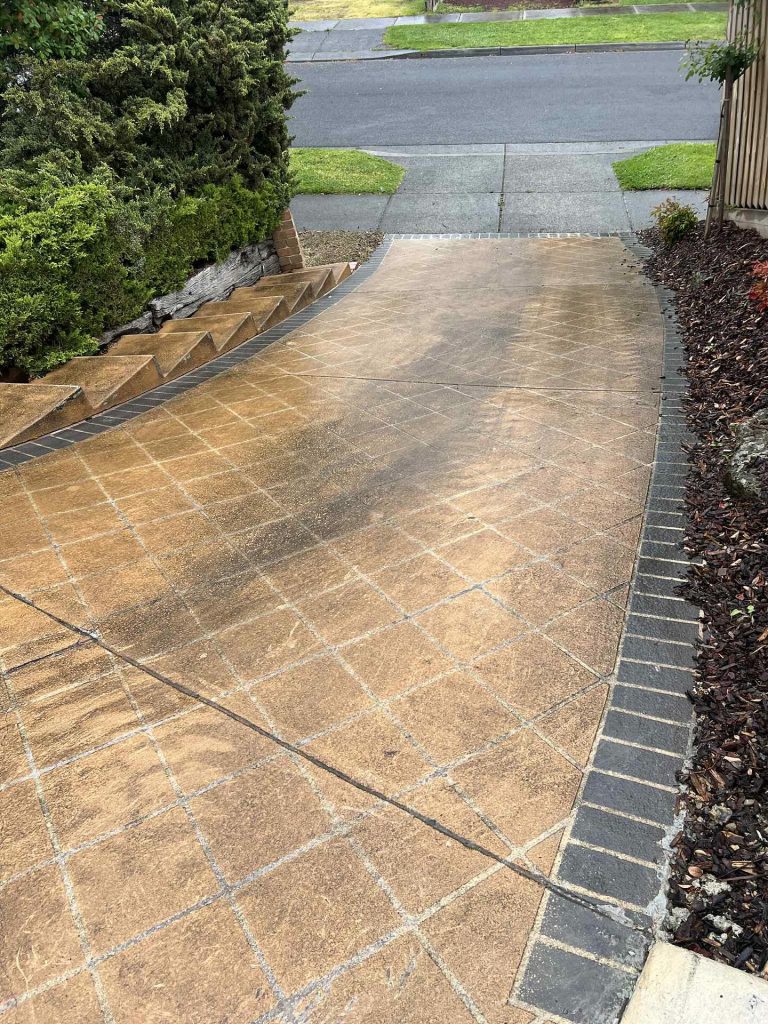
Concrete Hazards
Concrete hazards can develop gradually over time and are often overlooked until they become a safety risk, trip hazard or costly repair issue. In this section of our Concrete Help Centre, we cover common concrete safety and surface problems including slippery concrete, steep driveways, trip hazards, lifting slabs, poor drainage, worn textures, algae build-up and deteriorating concrete surfaces.
We also explain how incorrect sealing methods, moisture, surface wear and ageing concrete can contribute to dangerous conditions on residential and commercial properties. Understanding the causes of concrete hazards is important in helping reduce slip risks, improve safety and maintain the long-term condition and usability of concrete surfaces.
How Do You Make a Steep Driveway Safer?
Steep Driveways
Steep driveways can become dangerous when concrete surfaces lose texture, moisture builds up or incorrect sealing methods create slippery conditions. In this article, we explain the common causes of slippery steep driveways, why some decorative concrete finishes become hazardous over time and the different methods used to improve traction and surface grip.
We also cover slip-resistant sealing systems, textured resurfacing finishes, drainage considerations and maintenance methods that can help reduce slip risks on steep driveways and sloped concrete surfaces. Understanding how surface texture, sealer choice and ongoing maintenance affect traction is important in creating a safer and more durable driveway surface.
Why Does Concrete Become Slippery?
Slippery Concrete
Concrete can become slippery for many reasons including worn surface texture, algae and mould growth, incorrect sealing methods, moisture exposure and general surface wear over time. In this article, we explain the common causes of slippery concrete on driveways, pathways, pool surrounds and commercial surfaces, along with why some sealed concrete surfaces become more hazardous when wet.
We also cover different methods used to improve traction including slip-resistant sealers, textured resurfacing systems, cleaning and maintenance programs, and surface preparation techniques designed to increase grip without completely changing the appearance of the concrete. Understanding why concrete becomes slippery is important in helping reduce slip hazards and maintaining a safer surface long-term.
How Do You Fix a Slippery Driveway?
A slippery driveway can often be improved by cleaning the surface, removing built-up contamination, and applying the right coating or sealer system with a slip-resistant additive.
The best repair depends on why the driveway is slippery. Smooth concrete, worn sealer, algae, mould, tyre residue, steep gradients and poor drainage can all reduce grip. If the concrete surface is still sound, a reseal with non-slip additive may be enough to improve traction.
For older, worn or unattractive concrete, resurfacing may be the better option. A resurfacing system can create a new textured finish over the existing slab, improving appearance while also allowing slip resistance to be built into the surface.
Very steep driveways, badly damaged concrete or areas with drainage problems may need extra assessment before coating, as no surface treatment can fully overcome poor falls, constant water flow or major slab movement.
What should I do with my concrete?
The right option depends on the condition of the concrete, not just the finish you want. If the slab is structurally sound but looks worn, faded, stained, slippery or outdated, a coating or resurfacing system may be the most practical way to improve the surface without removing the concrete. This can include spray-on resurfacing, stencil finishes, exposed aggregate-style resurfacing, sealing or other decorative coating applications. If the concrete has major cracking, movement, sinking, severe spalling, drainage problems or failed base preparation, replacement may be the better long-term option. The best approach is to compare the existing slab condition, repair requirements, expected lifespan, cost, disruption and maintenance before deciding between resurfacing, sealing, coating or new concrete.
Do I have to replace my concrete?
Concrete resurfacing vs new concrete
Choosing between concrete resurfacing and new concrete depends on the condition of the existing slab, the amount of cracking or movement, drainage, budget, access, desired finish and long-term expectations. Resurfacing is often suitable when the concrete is structurally sound but worn, faded, stained or slippery. New concrete is usually the better option when the slab is badly cracked, sinking, moving or structurally failing. Read our full concrete resurfacing vs new concrete comparison to understand the cost, lifespan, disruption and suitability of each option.
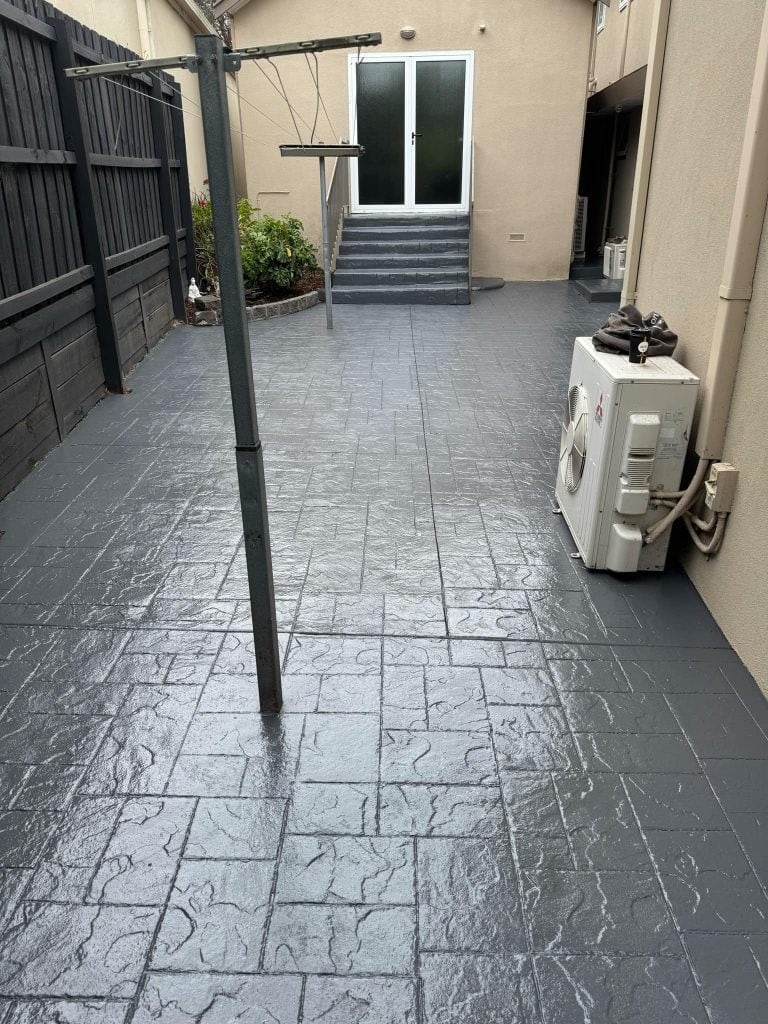
Concrete sealer failures
Concrete sealing looks simple, but there are a lot of things that can go wrong. The surface needs to be clean, dry and suitable for sealing before any product is applied. If moisture is trapped, the concrete is too damp, the wrong sealer is used, or the coats are applied too heavily, the finish can turn white, cloudy, patchy, slippery or even stay soft.
A good sealing job is not just “roll it on and walk away.” Weather, timing, surface preparation, sealer type, coat thickness and drying conditions all matter. Too thin and the concrete may look uneven or under-protected. Too thick and the sealer can trap moisture, cure badly or blush. This is why failed sealer needs to be assessed properly before resealing over the top.
Why did my concrete sealer turn white?
White or cloudy concrete sealer is usually caused by moisture being trapped in or under the sealer film. This can happen if the concrete was still damp, rain or dew hit the surface too soon, the sealer was applied too thick, or moisture is moving up through the slab from underneath.
It can also happen when old sealer is recoated before the surface has been cleaned, dried or tested properly. Sometimes the problem is sealer blush, sometimes it is efflorescence, and sometimes it is both working together. The fix depends on what caused it, so cloudy sealer should be assessed before simply rolling another coat over the top.
Concrete Paint vs Concrete Sealer
Concrete paint usually sits on top of the surface and is often used as a basic colour coating. It can improve appearance, but it may not be the best option for driveways, patios or outdoor concrete exposed to weather, vehicle traffic and moisture.
Concrete sealer is designed to protect the surface while enhancing colour and helping reduce staining, water absorption and general wear. A coloured concrete sealer can refresh tired concrete while still giving the surface a sealed, protective finish.
For older, worn or patchy concrete, resurfacing may be a better option than either paint or sealer because it creates a new decorative surface over the existing slab.
Does Concrete Sealer Extend the Life of Concrete?
As a sealing service provider, it would be easy for us to just say “yes”. But the honest answer is: not structurally. Concrete sealer has very little impact on how long the slab itself lasts.
The life of concrete is mostly determined by things like the mix design, curing, reinforcement cover, base preparation, compaction, drainage and whether the slab is exposed to movement. A sealer applied to the top surface does not fix those issues.
Where sealing does have genuine value is at the surface. It can help reduce oil and stain penetration, protect decorative finishes and colour from UV fading, and make the concrete easier to clean. For exposed aggregate, stencilled concrete and slate impression concrete, sealing is mainly about keeping the finish looking the way it was designed to look.
This is different from curing new concrete on day one, where moisture retention can directly affect strength development. But once concrete has cured, resealing is mostly about protecting the surface appearance and cleanability — not adding structural life to the slab.
So if someone is selling resealing as a way to make your concrete last longer structurally, that is not the full story. We seal concrete to protect its finish, not its structure.
Read the full article: Does Sealing Your Driveway Extend the Life of the Concrete?