Industrial Epoxy Flooring Melbourne – Commercial & Industrial Floor Coatings
Professional Epoxy Flooring for Melbourne’s Commercial and Industrial Sites
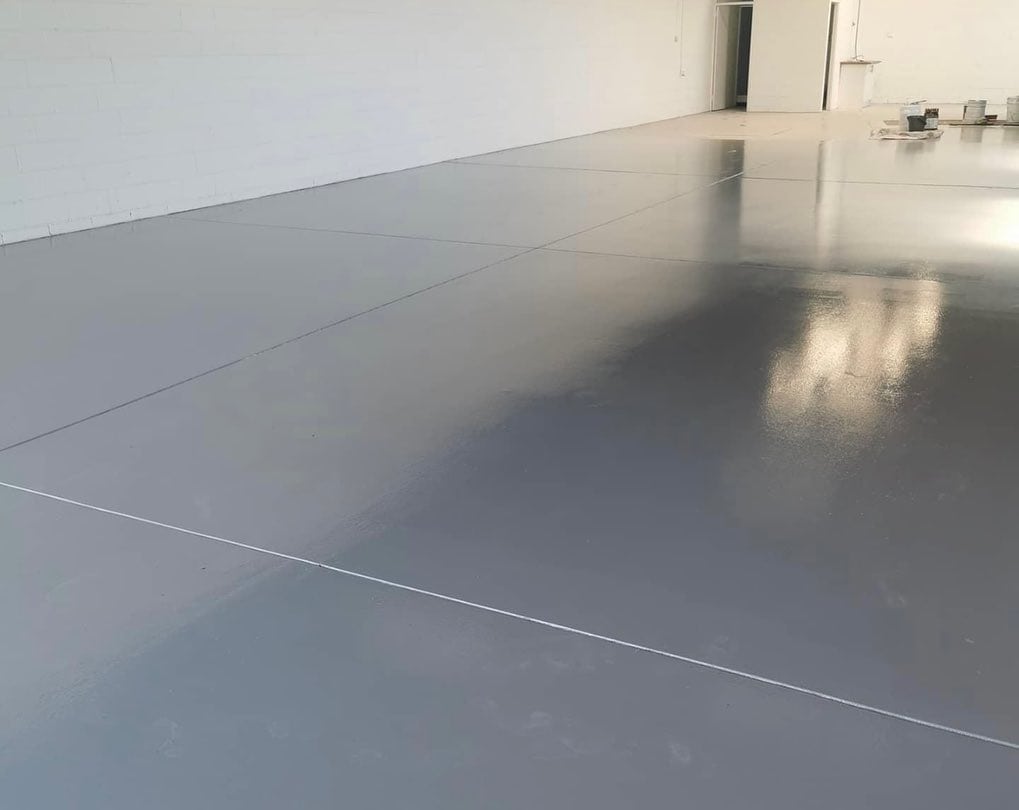
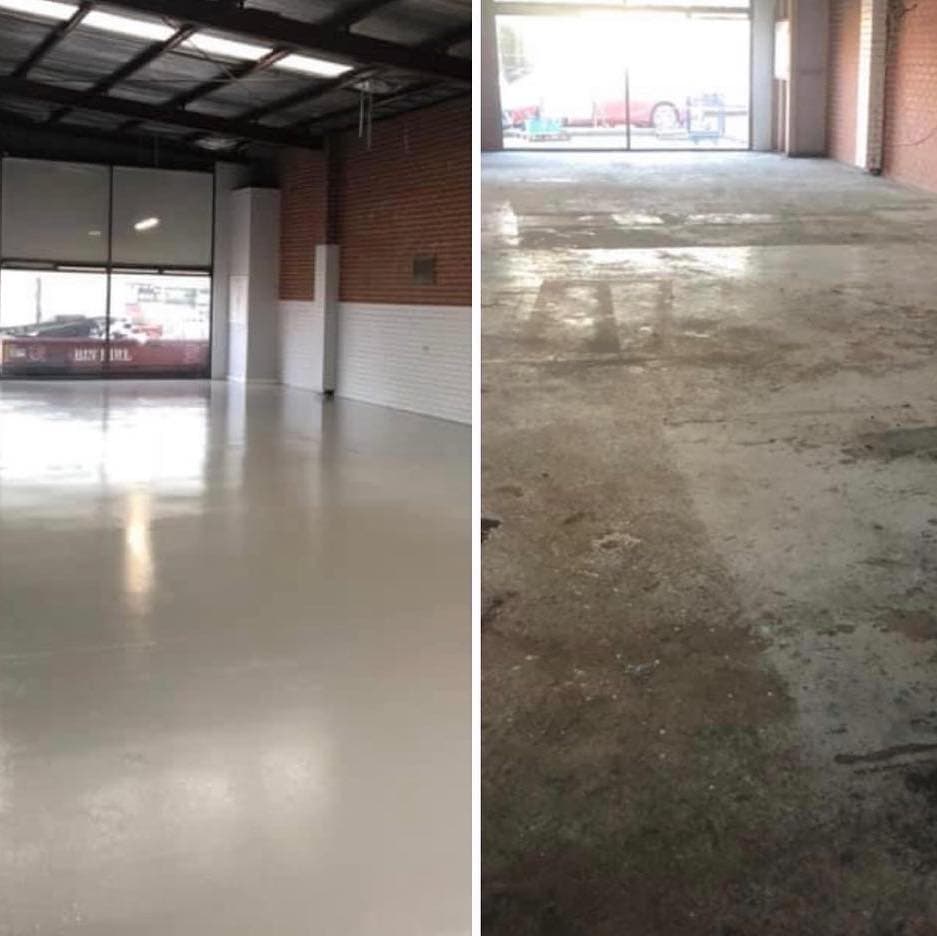
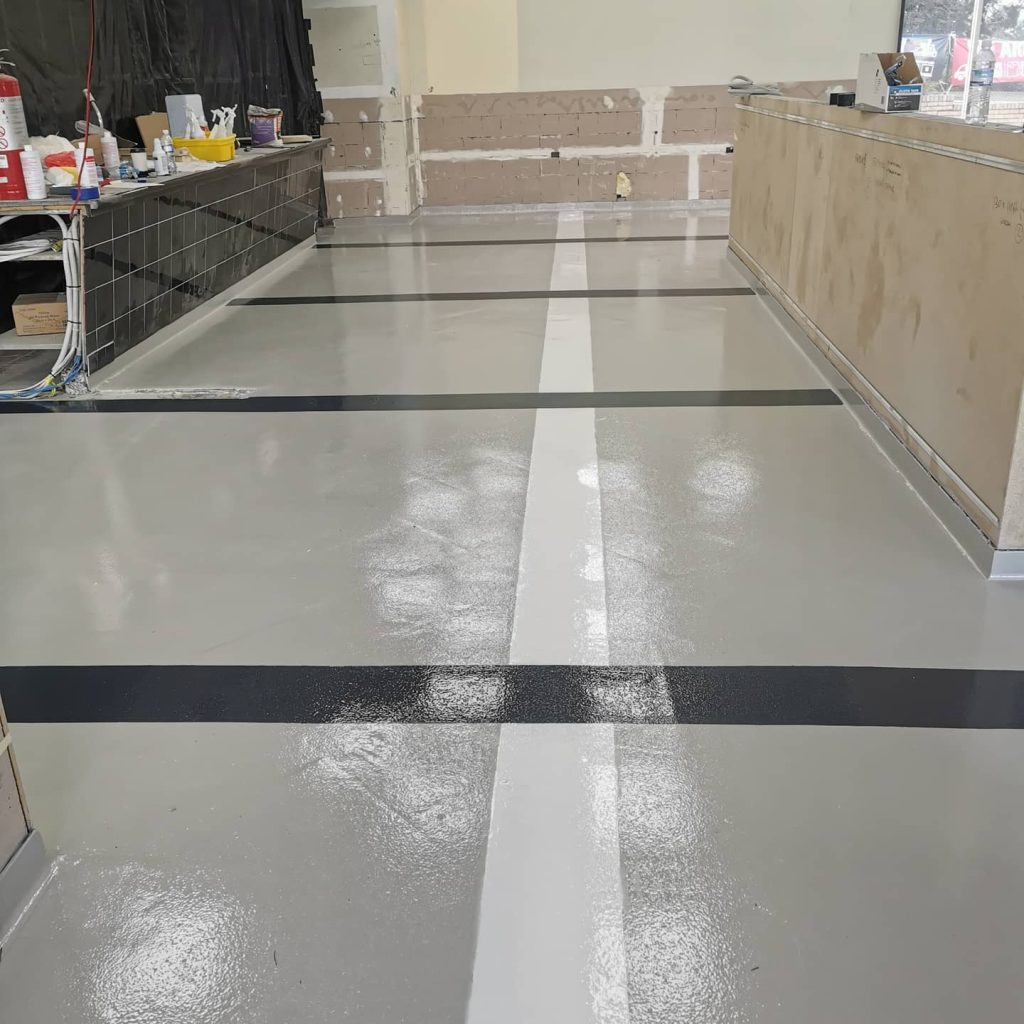
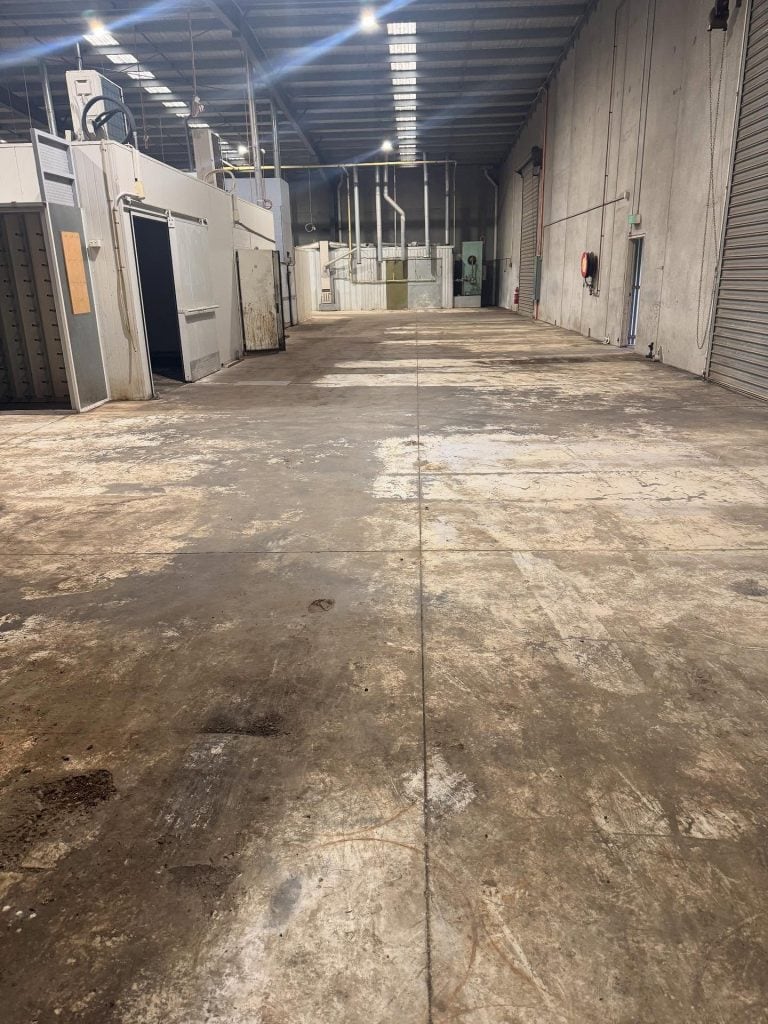
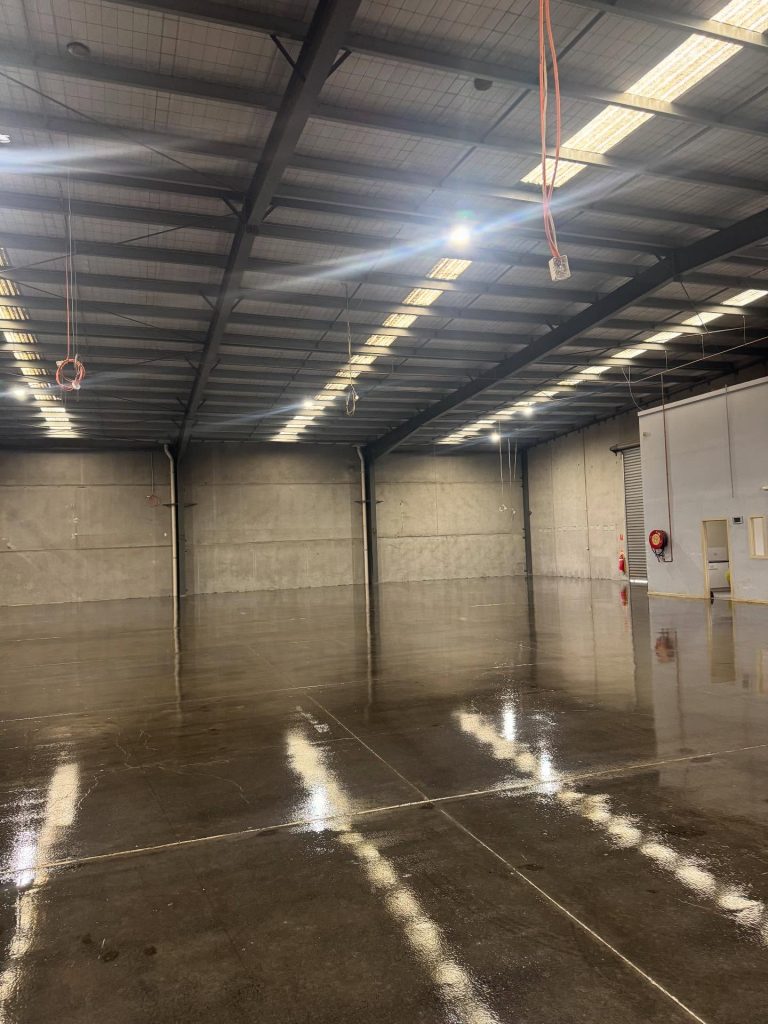
Nupave installs epoxy flooring for commercial fit-outs and heavy-duty industrial sites across Melbourne, including showrooms, retail spaces, offices, gyms, warehouses, factories, workshops, food production areas and automotive facilities.
Founded in 1993, Nupave has been in business for 30+ years, delivering concrete coatings, resin flooring and industrial concrete flooring systems for commercial and industrial clients who need a floor coating that can stand up to real site conditions. See about Nupave for more infomation on us.
We work across Melbourne, the Mornington Peninsula, Bass Coast, Phillip Island, West Gippsland and South Gippsland, using our own experienced crew – not subcontractors – to control preparation, application, cure times and finish quality.
What Is Industrial Epoxy Flooring and Why Choose It
Industrial epoxy flooring is a resin-based epoxy floor coating applied over prepared concrete. The epoxy resin and hardener are mixed in precise ratios, then applied in stages so the system cures into a dense, seamless and durable surface bonded to the concrete flooring beneath it.
For commercial and industrial environments, epoxy is used because it handles heavy foot traffic, vehicle traffic, oils, acids, solvents, cleaning chemicals, impact and daily wear better than bare concrete, many vinyl sheet options and some polished concrete finishes. Melbourne’s commercial spaces rely on industrial epoxy flooring as a high-performance alternative to traditional polished concrete or vinyl sheet options where durability, hygiene and safety matter.
Epoxy flooring offers cost savings over time due to its non-porous structure, which reduces the need for frequent waxing, stripping or deep cleaning. The smooth, seamless surface also allows for easy cleaning, reducing the need for heavy-duty soaps and solvents.
It is also highly customisable. Epoxy flooring is available in a variety of colours and styles, allowing businesses to customise the look to align with their brand and operational needs. Gloss levels can be tailored too, including matte, semi-gloss and high-gloss finishes for different commercial settings.
For industrial settings, the real value is performance: chemical resistance, slip resistance, impact resistance and the ability to withstand heavy machinery and severe impacts. Epoxy industrial floor coatings are resistant to highly corrosive chemicals, making them ideal for environments where spills from oils and acids can occur.
Epoxy Systems Nupave Installs
Nupave installs a comprehensive range of epoxy flooring solutions to suit different commercial spaces, industrial environments and site-specific demands. The right system depends on your concrete condition, traffic loads, cleaning process, chemical exposure, slip resistance requirements and the finish you want.
Solid Colour Epoxy
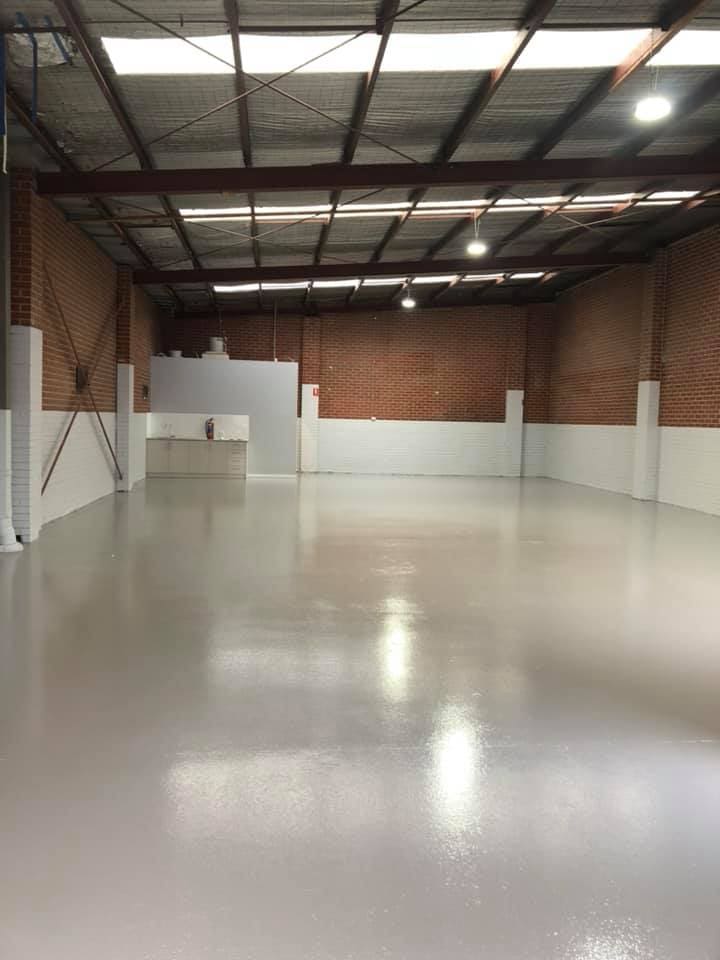
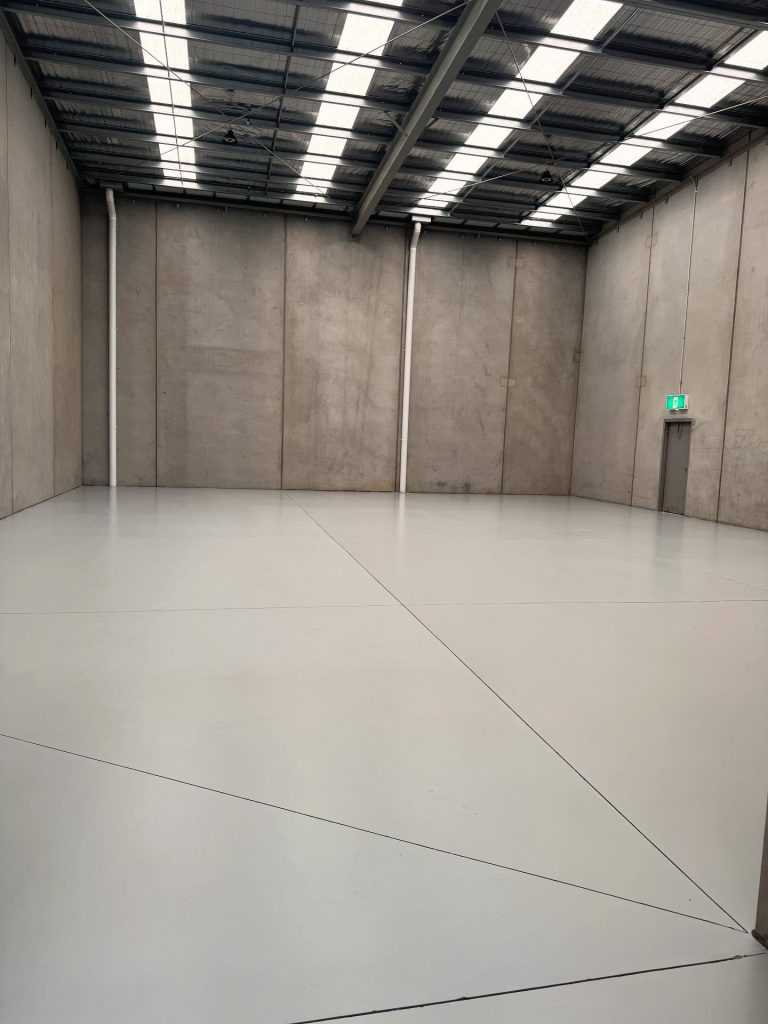
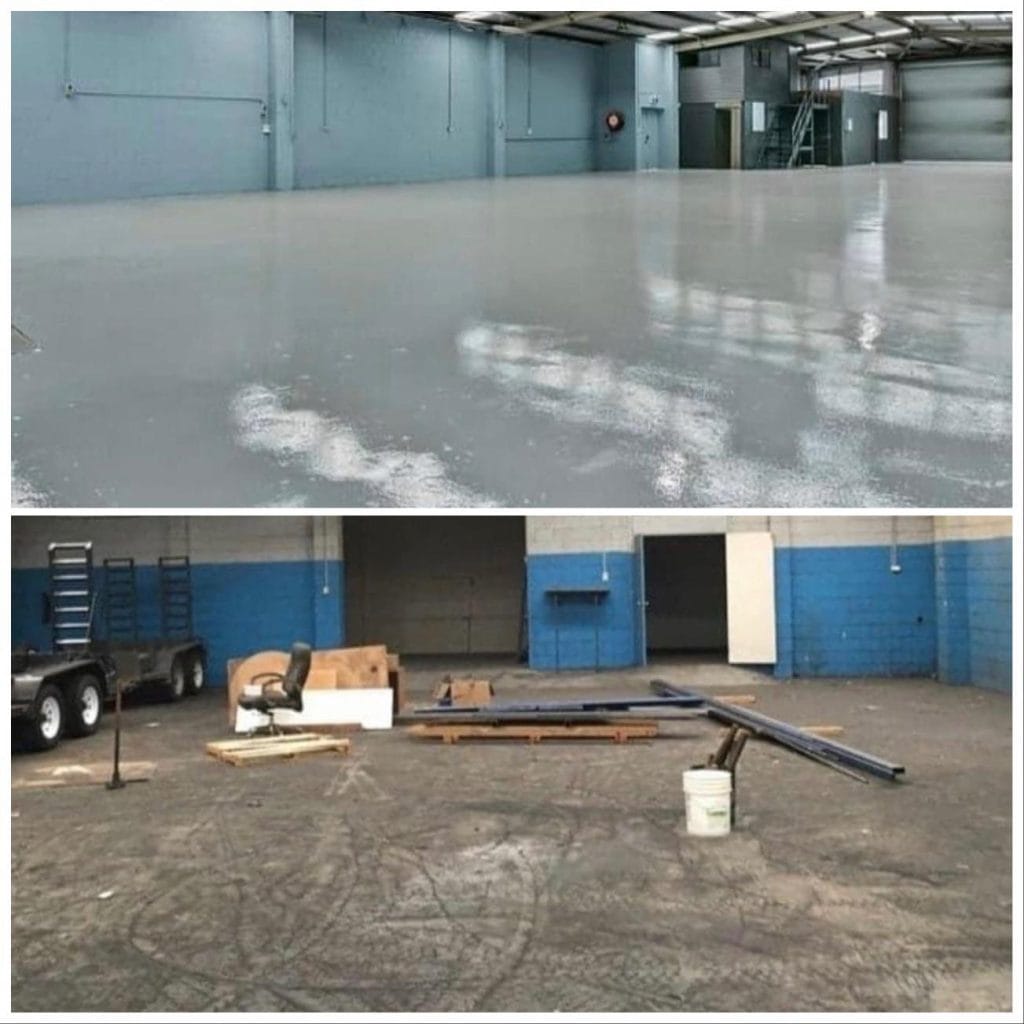
Solid colour epoxy is a practical commercial epoxy and industrial epoxy system for mechanical workshops, warehouses, factories and back-of-house commercial flooring. It provides a clean, durable finish that resists wear from forklifts, pallet jacks, tools, stock movement and general vehicle traffic.
This system is often selected where the priority is durability, chemical resistance and straightforward maintenance rather than decorative effect.
Decorative Flake/Vinyl Chip Systems
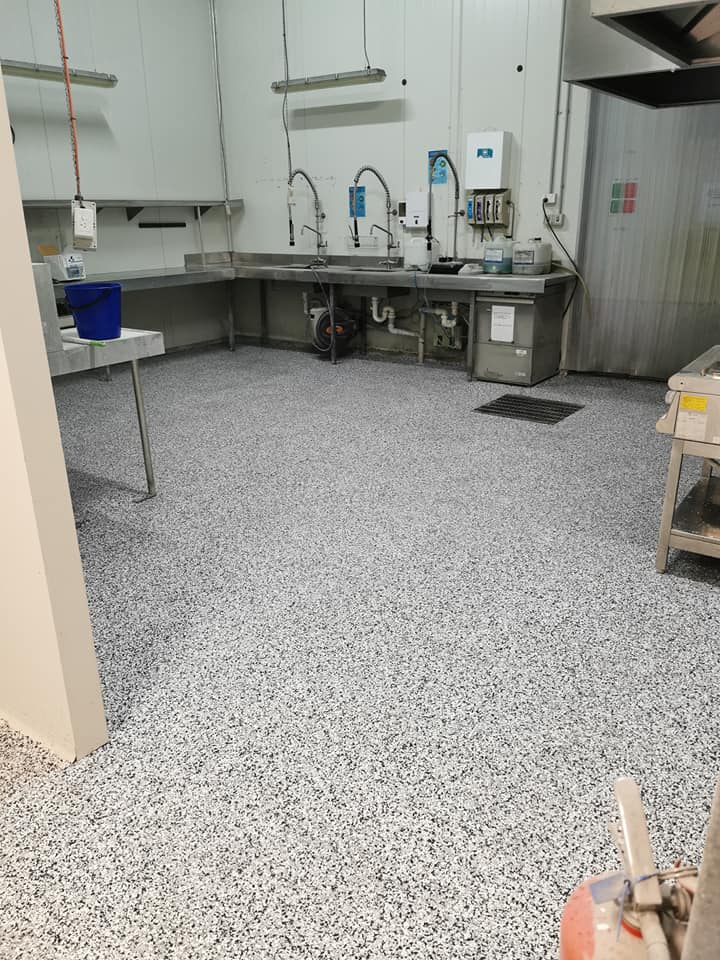
Decorative flake systems, often called epoxy flake flooring or flake flooring, are common in retail fit-outs, hospitality venues, offices, gyms, amenities and commercial kitchens where appearance and slip resistance both matter.
Decorative or slip-resistant finishes for epoxy floors can be achieved by broadcasting colour flakes or quartz aggregates into the wet base coat. This gives the surface texture, hides minor visual imperfections and allows the floor to be tailored to a business’s brand identity.
Metallic Epoxy Finishes
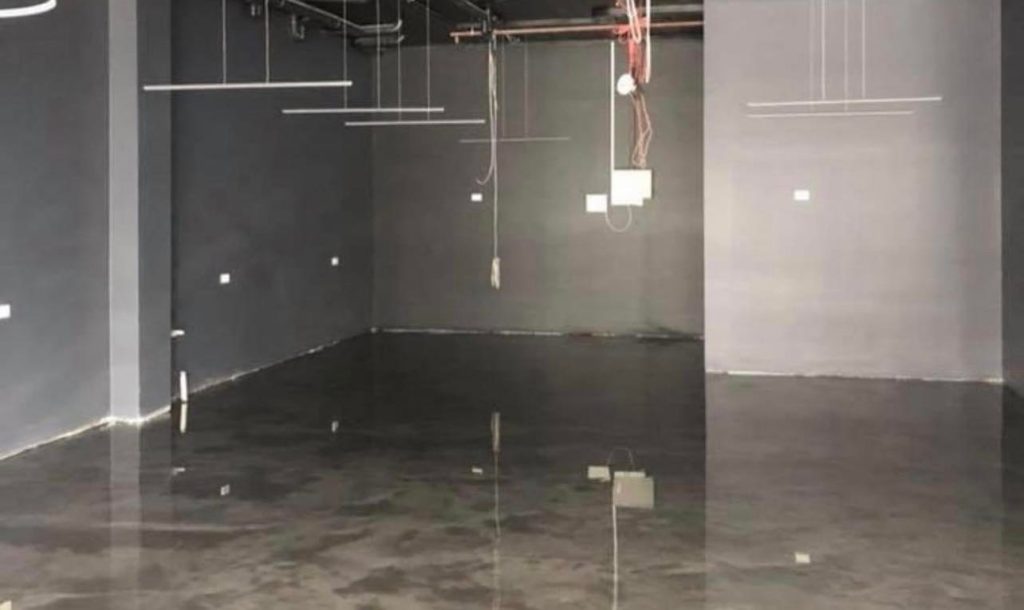
Metallic epoxy finishes suit showrooms, display areas and modern commercial spaces where the floor is part of the presentation. These systems create a high-gloss, flowing visual effect while still giving the benefits of resin flooring over concrete.
A clear protective topcoat is essential after the base coat cures to lock in the epoxy system and enhance UV stability, especially where natural light reaches the floor.
Self-Levelling Epoxy
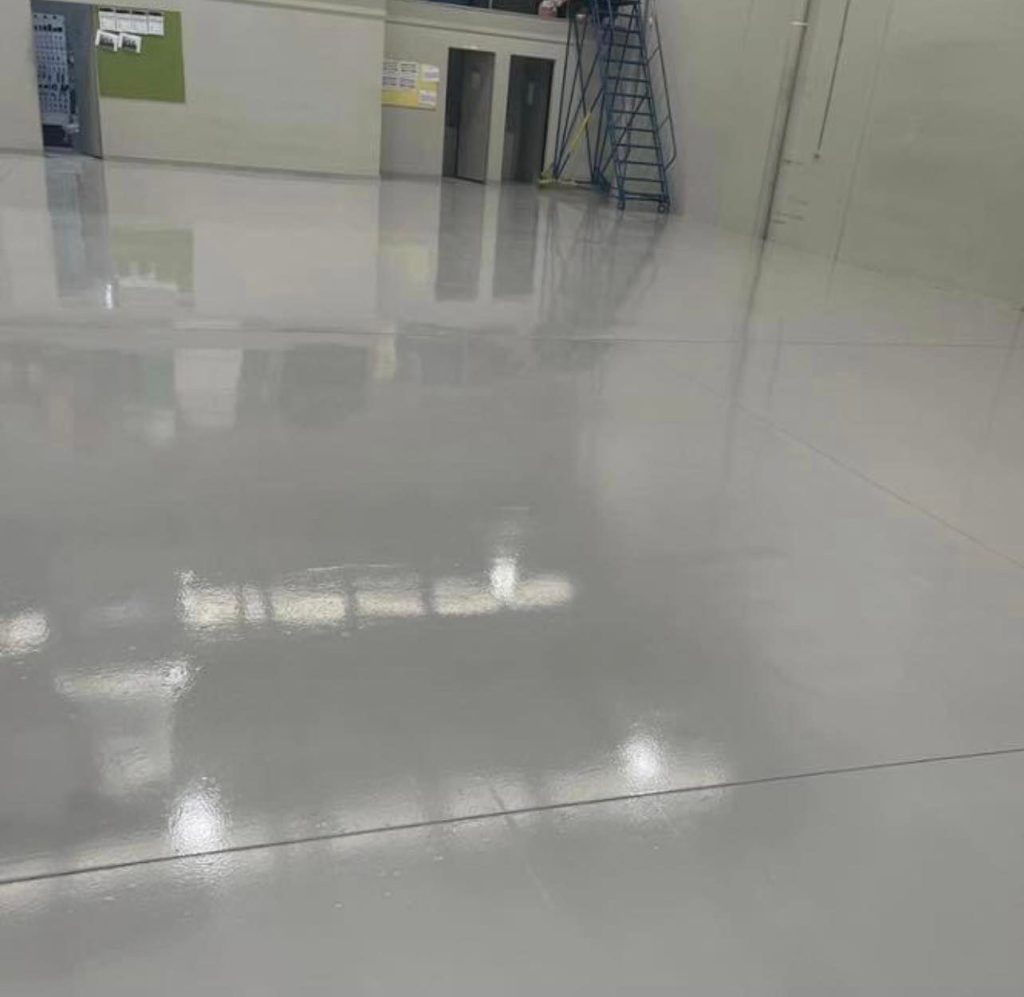
Self-levelling epoxy is used where a smoother, more controlled finish is needed, including food production, pharmaceutical facilities, healthcare spaces and selected commercial environments.
It can help create a seamless, non-porous floor surface that is hygienic and easy to clean. Epoxy flooring is a seamless and non-porous option that repels dirt, oils, chemicals and bacteria, making it suitable for settings like commercial kitchens and healthcare facilities.
Anti-Slip Systems
Anti-slip epoxy systems are used on loading docks, ramps, wet areas, wash bays, food preparation areas and busy commercial floors where spills or high foot traffic create safety risks.
Epoxy flooring can be tailored to include slip-resistant coatings, which enhance safety in environments with high foot traffic or where spills are common. Epoxy flooring also features integrated anti-slip textures that satisfy rigorous Australian workplace health and safety standards.
Chemical-Resistant Coatings
Chemical-resistant epoxy coatings are used in automotive workshops, chemical handling areas, manufacturing sites, battery rooms and facilities exposed to oils, brake fluid, degreasers, acids and solvents.
The non-porous and impermeable nature of epoxy flooring prevents staining from acids and solvents, contributing to its long-lasting performance. For more severe chemical exposure, higher-performance systems may be specified to provide stronger chemical resistance.
Food-Grade Epoxy
Food-grade epoxy is used in commercial kitchens, food production, cool rooms, butcheries and wash-down areas where hygiene, seamless cleaning and resistance to detergents are critical.
High-performance epoxy flooring helps businesses comply with strict safety standards, making it ideal for commercial spaces with hygiene and workplace safety obligations.
Polyurethane Cement (PU Screed)
Polyurethane cement, or PU screed, is used in cold rooms, food processing areas, commercial kitchens and wash-down environments where thermal shock, moisture and aggressive cleaning are part of daily operation.
PU screed is often the better flooring solution where standard epoxy may not suit repeated temperature swings, steam cleaning or constant wet service.
Industries We Serve Across Melbourne
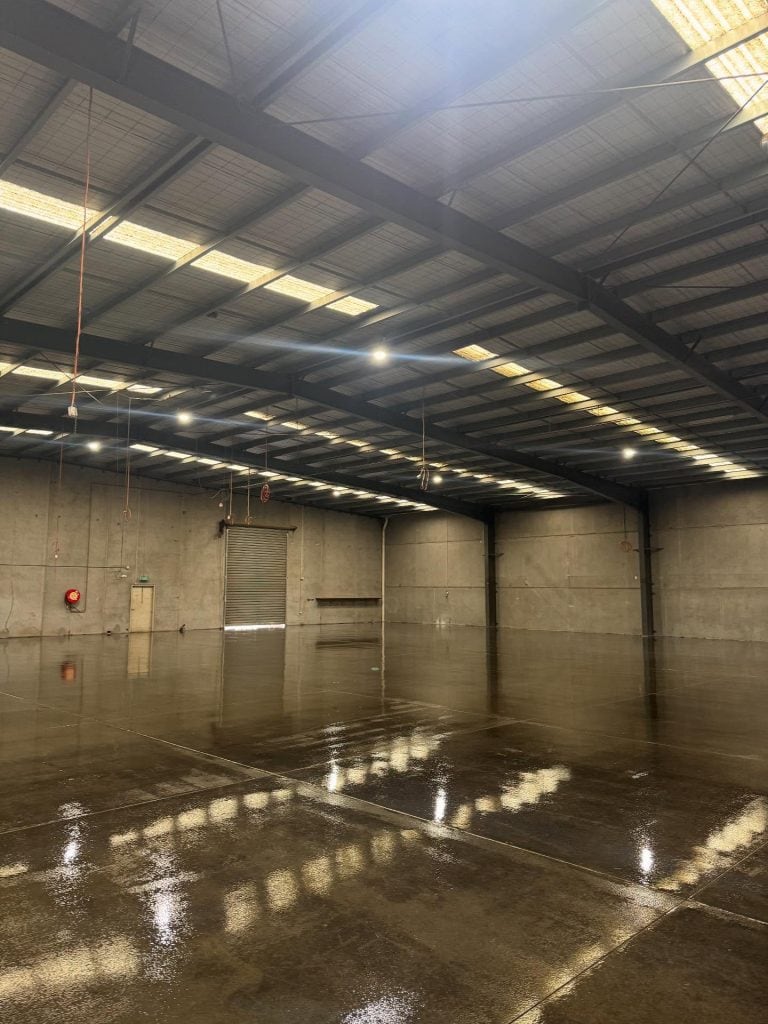
Nupave works across commercial and industrial flooring projects throughout Melbourne and surrounding regions. Each industry has different flooring options, compliance needs and working conditions, so we tailor the epoxy floor coating system to the job rather than applying one generic coating everywhere.
Warehouses & Distribution
Warehouses and distribution centres need industrial flooring that handles heavy forklift traffic, pallet storage, stock movement and line marking without breaking down under abrasion.
Commercial epoxy flooring is designed to withstand heavy foot and vehicle traffic, making it suitable for busy workplaces such as retail stores and manufacturing plants, as well as logistics and storage facilities.
Factories & Manufacturing
Factories need durable floors that stand up to production equipment, heavy equipment, vibration, impact, spills and safety marking.
Epoxy flooring is uniquely suited to industrial environments due to its resistance to corrosion and ability to withstand heavy machinery and severe impacts.
Food Production & Commercial Kitchens
Food production areas and commercial kitchens need seamless, hygienic, non-slip and chemical resistant flooring. These environments often involve wash-down cleaning, heat, cold, oils, fats, acids and alkaline detergents.
Epoxy flooring requires minimal maintenance, primarily involving regular cleaning to maintain its appearance and performance, which makes it a practical commercial flooring solution for these spaces.
Mechanical Workshops & Automotive
Mechanical workshops and automotive sites need concrete coatings that resist oil, grease, brake fluid, solvents, dropped tools and tyre traffic.
Chemical resistance is critical here because the floor is exposed to spills daily, not occasionally.
Hospitality & Retail Fit-Out
Hospitality and retail fit-outs need commercial flooring that presents well, cleans easily and handles constant foot traffic.
Epoxy flooring can be customised in a variety of colours and finishes, allowing businesses to match their flooring to their brand identity and aesthetic preferences.
Gyms and Fitness Centres
Gyms and fitness centres need flooring that handles foot traffic, sweat, cleaning, impact zones and defined training areas.
Anti slip or non slip finishes can be included where the floor needs extra grip, especially near amenities, entries and wet zones.
Showrooms and Display Areas
Showrooms need floors that support brand presentation while still handling display stock, customer traffic and regular cleaning.
Epoxy flooring reflects light, assisting in reducing energy costs in commercial facilities and improving visibility across large commercial spaces.
Healthcare Facilities
Healthcare facilities need seamless, hygienic floors with easy cleaning, antimicrobial performance where specified and resistance to strong cleaning agents.
For these commercial environments, the non-porous nature of epoxy helps reduce dirt and bacteria build-up compared with jointed or porous flooring options.
Real Installation Timelines – Not Industry Myths
A lot of epoxy flooring pages claim commercial resurfacing is always a 1–2 day job. That is not how real projects behave on site.
From Nupave’s actual on-site experience across thousands of square metres, a 100m² commercial epoxy install typically takes 2–3 days depending on preparation, grinding, repairs, coating system and cure requirements. That includes surface preparation, primer, base coat, decorative broadcast or colour where required, topcoat and initial cure.
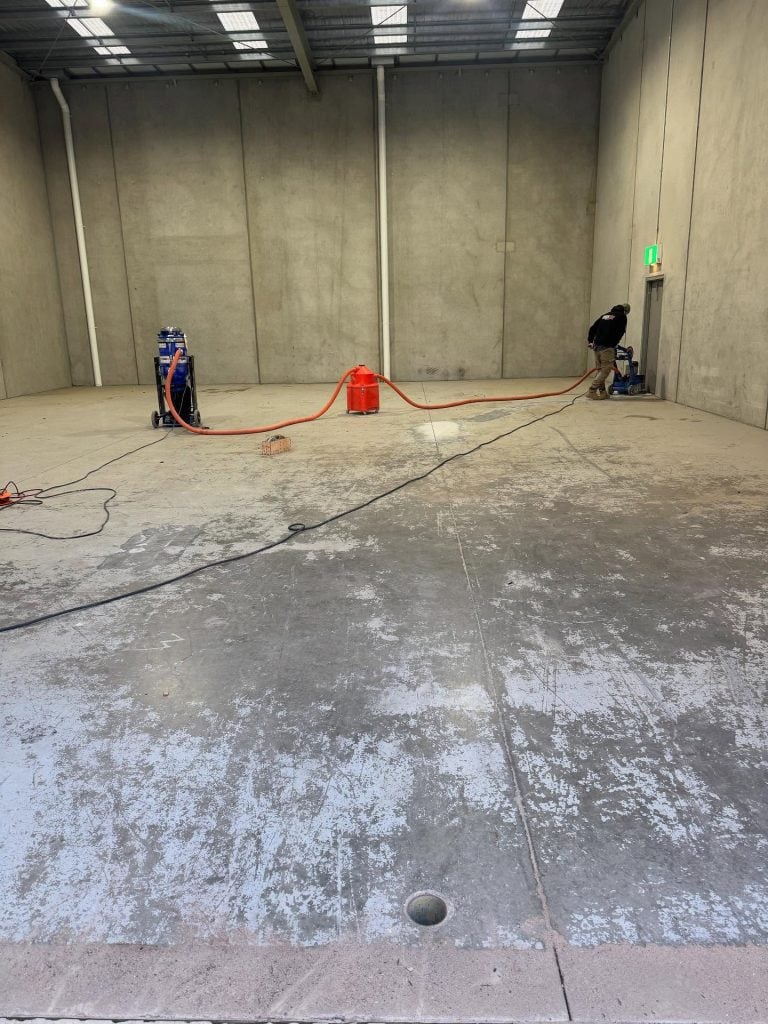
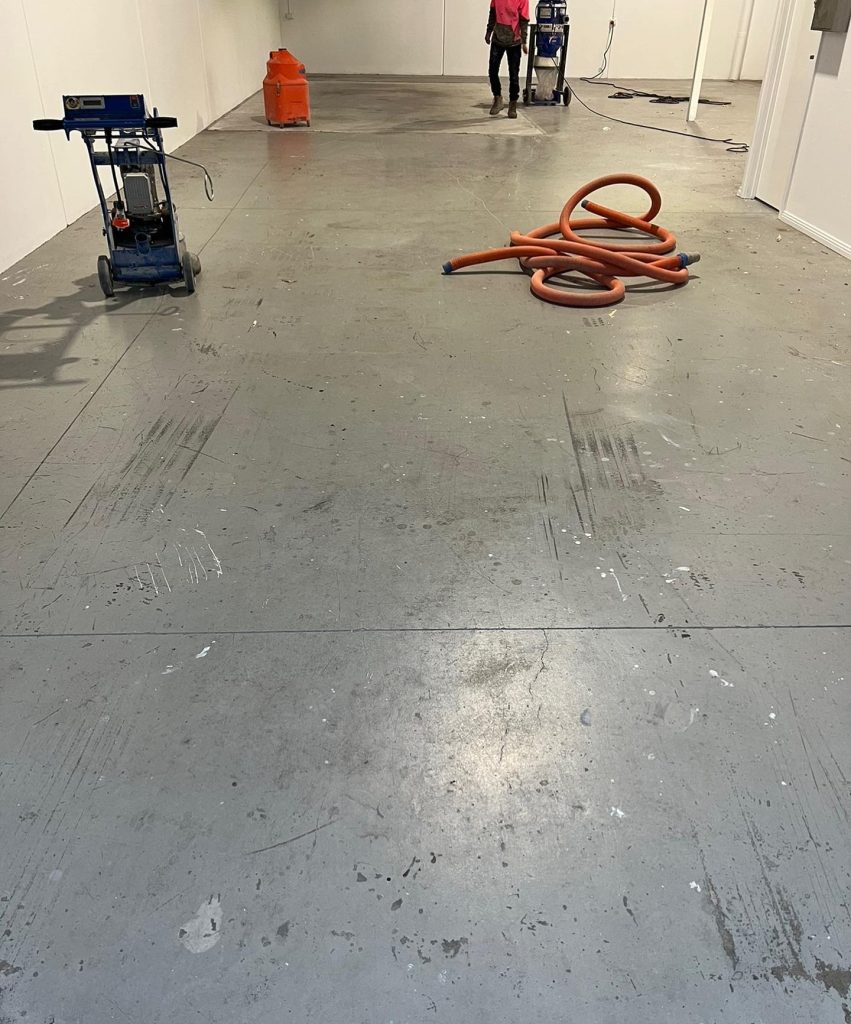
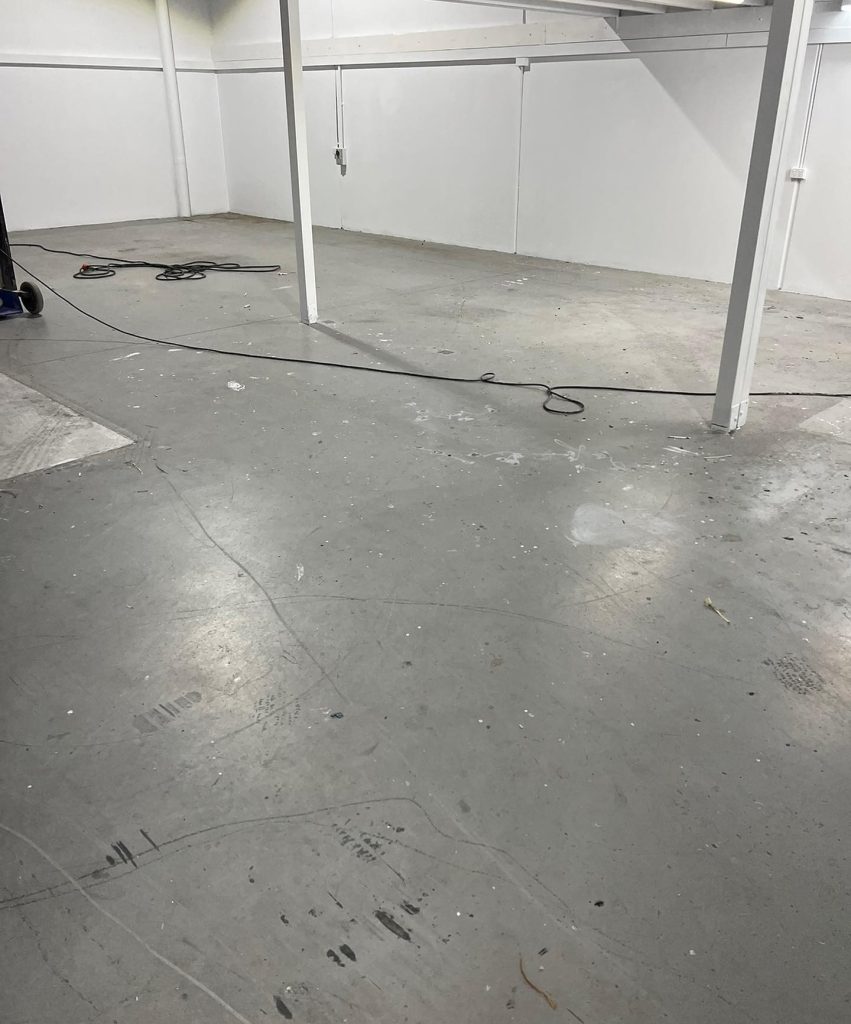
Grinding can extend timelines significantly on existing concrete. Old coatings, oil contamination, weak concrete, cracks, laitance, uneven areas and moisture issues all need to be dealt with before the new epoxy floor is applied. Skipping that work is one of the fastest ways to cause coating failure.
New concrete must cure for at least 30 to 60 days before applying any coating, and must be mechanically profiled to ensure proper bonding with epoxy. For exposed aggregate work prior to coating, allow around 4 days for preparation before the epoxy system is installed.
The longevity of industrial epoxy flooring relies on precise, multi-stage surface preparation and strict adherence to curing times. Foot traffic, vehicle traffic, forklifts and chemical exposure must be staged according to the system used. Loading a floor too early can compromise the cure and reduce performance.
Our Installation Process
Site Assessment
We inspect the concrete, moisture conditions, existing coatings, cracks, joints, falls, drainage, access, shutdown windows and the specific demands of your business.
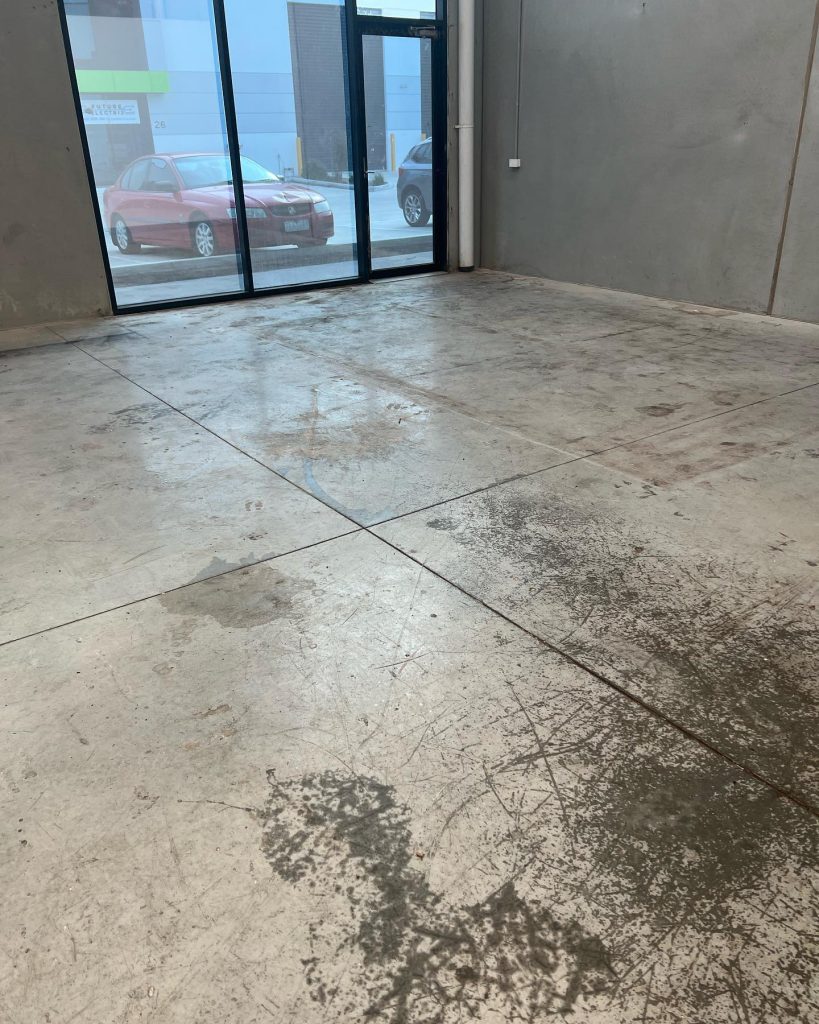
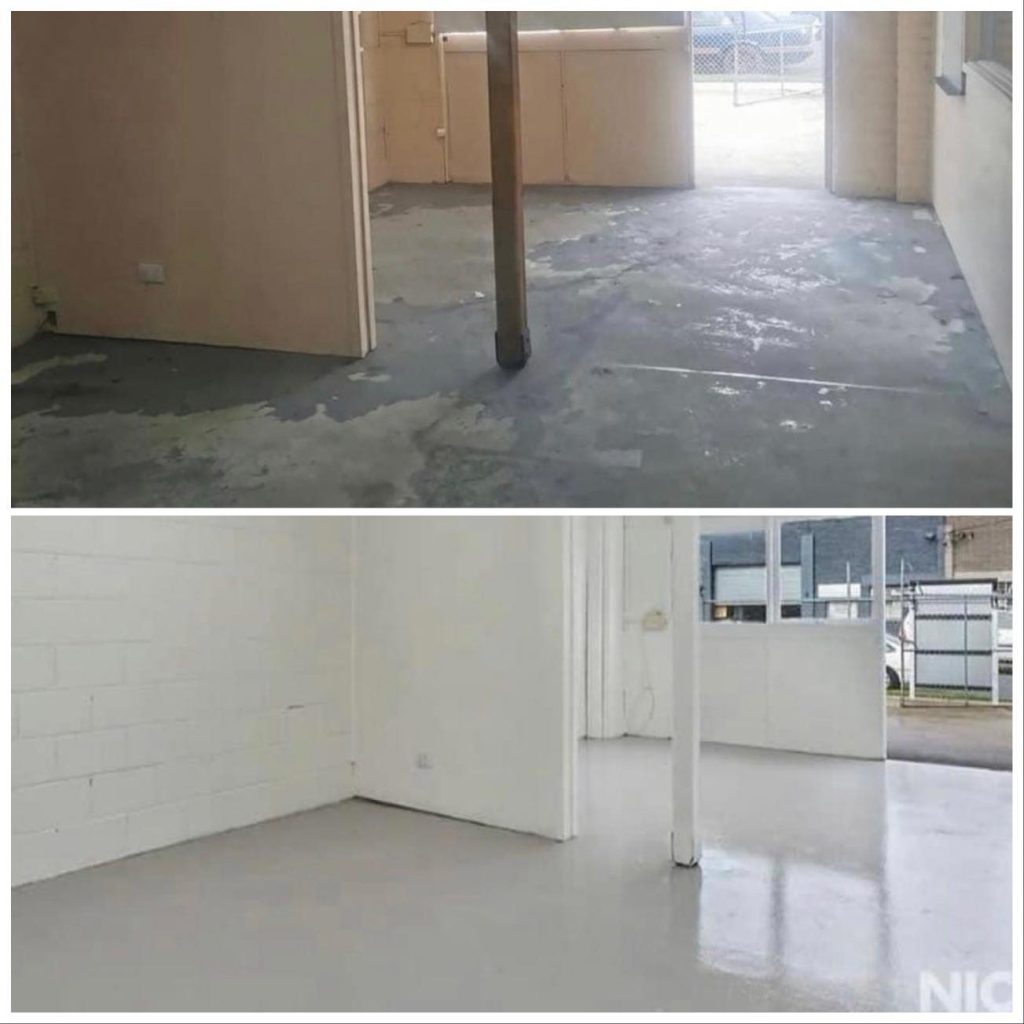
Epoxy flooring can be applied directly onto existing concrete foundations, making it a practical and efficient choice for commercial spaces, but the concrete must be sound, clean and correctly prepared.
Surface Preparation
We prepare the substrate using diamond grinding and shot blasting where needed. This removes weak surface material, old coatings, contaminants and gives the epoxy a mechanical profile to bond into.
For existing industrial concrete flooring, preparation is often the most important part of the job.
Primer Application
We apply the correct primer for the concrete and site conditions. For effective adhesion, a specialised moisture-blocking primer should be applied to prevent outgassing in concrete before the epoxy application where moisture or porosity is a concern.
Base Coat Application
The base coat builds the main body of the epoxy system. Depending on the industrial space, this may be a thinner commercial epoxy coating or a heavier industrial build with greater dry film thickness, commonly referred to as DFT.
The mixing of epoxy resin and hardener must be done in precise ratios to ensure proper curing and performance.
Flake Broadcast or Colour Addition
Where required, colour, flake, quartz or aggregate is added to create the required look, grip level and functionality.
This is where epoxy flake flooring, anti slip textures and decorative commercial flooring finishes are built into the system.
Topcoat Application
A clear or pigmented topcoat is applied for final protection, cleanability, wear resistance and finish.
A clear protective topcoat is essential after the base coat cures to lock in the epoxy system and enhance UV stability.
Cure Time
The floor must be allowed to cure before it is returned to service. Cure time depends on the product, temperature, humidity, coating thickness, traffic type and exposure conditions.
After curing, epoxy floors need consistent care to maintain their appearance and prevent micro-scratching or chemical degradation.
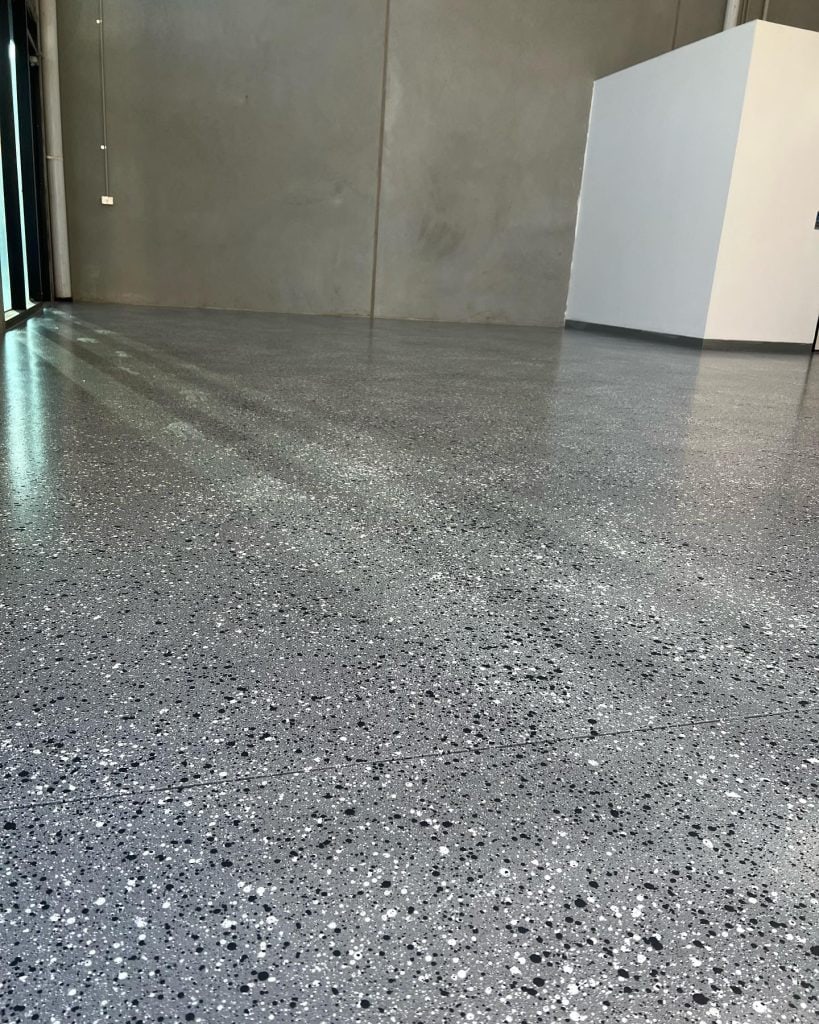
Stippled stone epoxy flooring
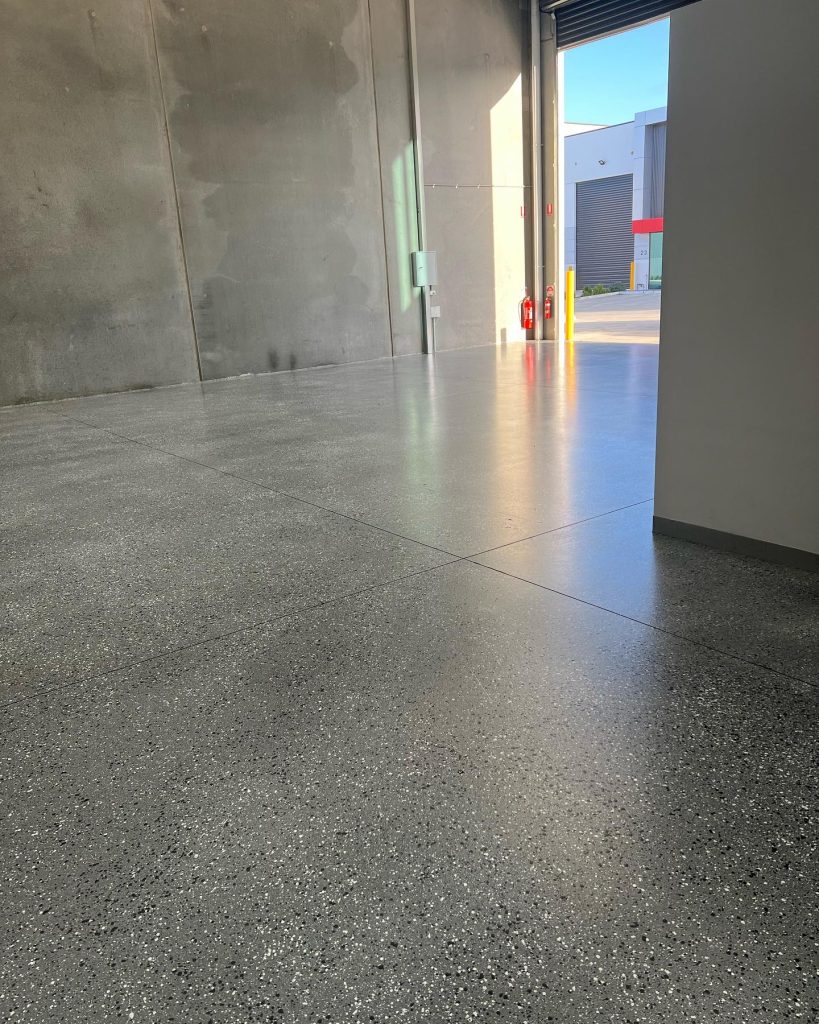
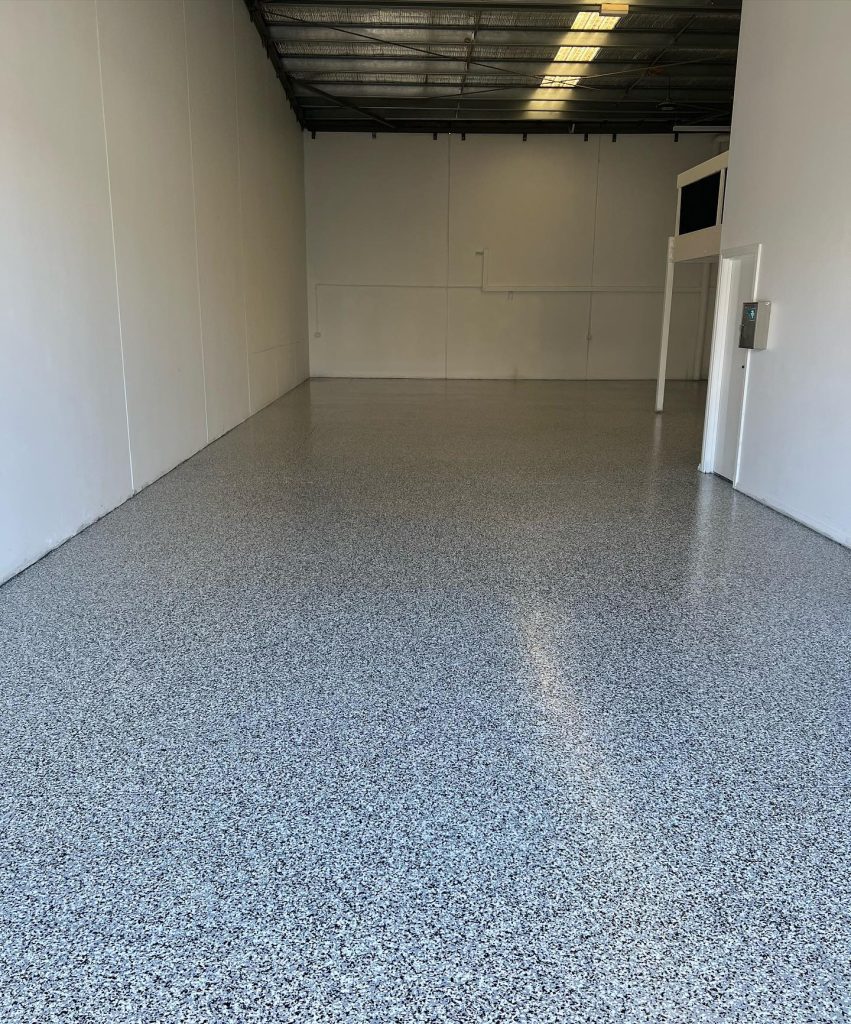
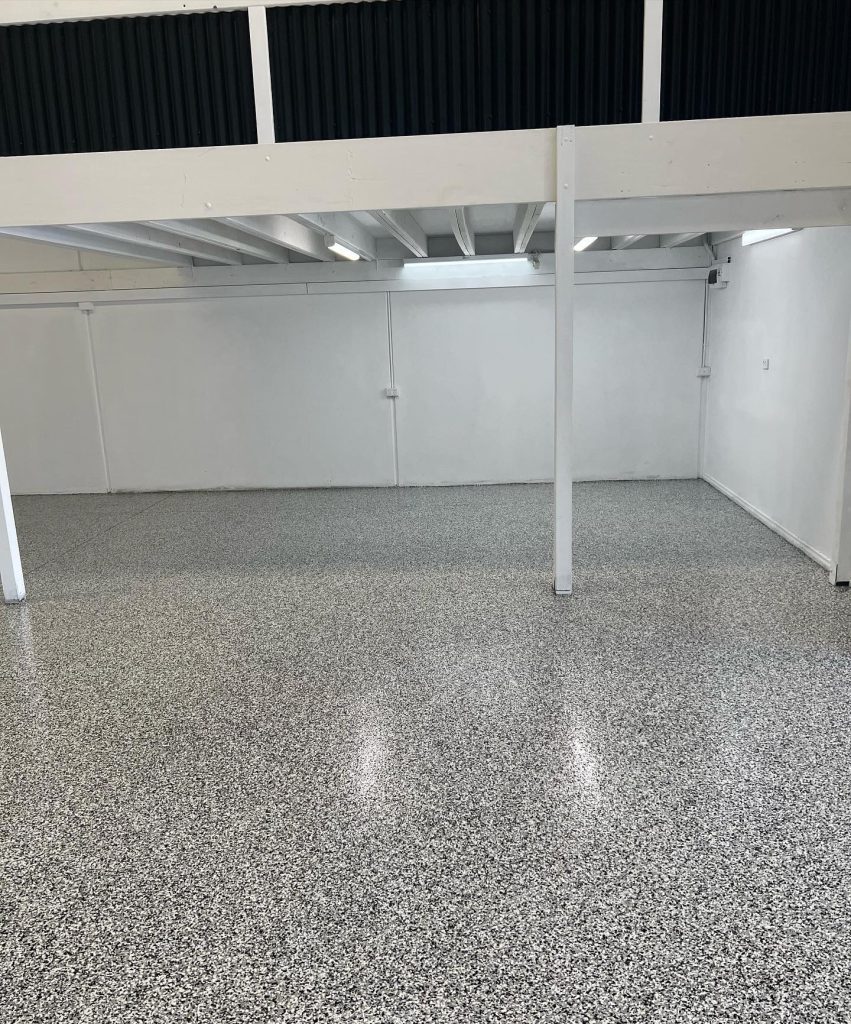
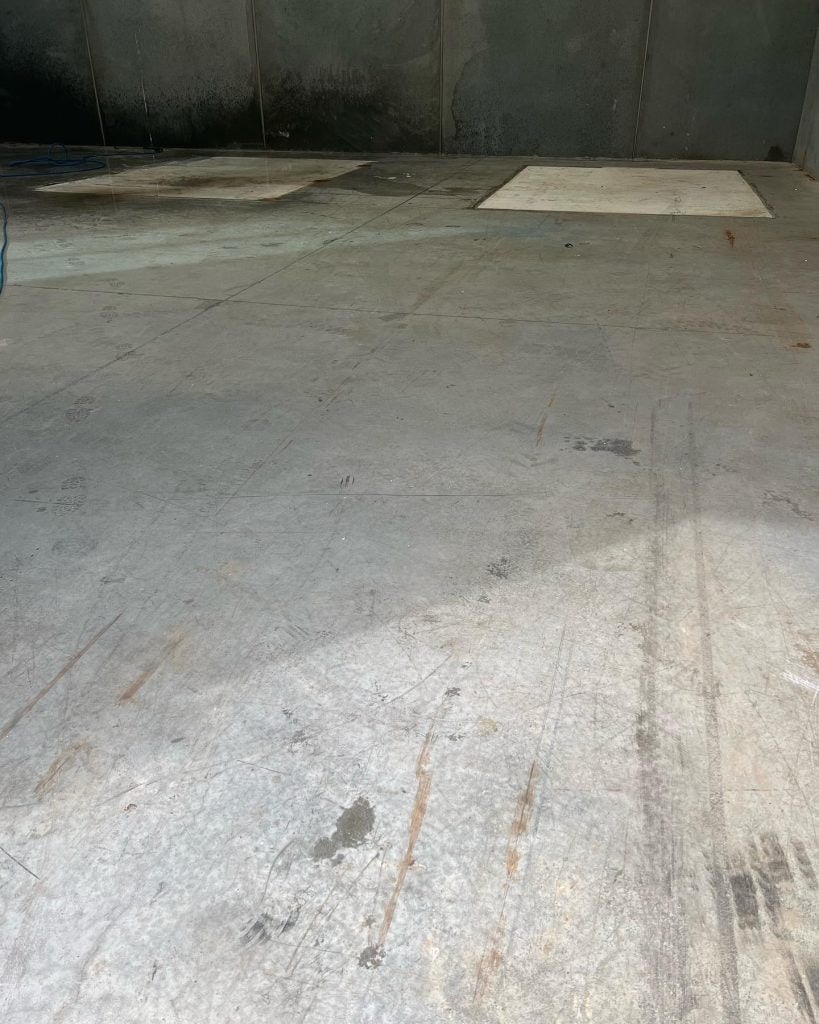
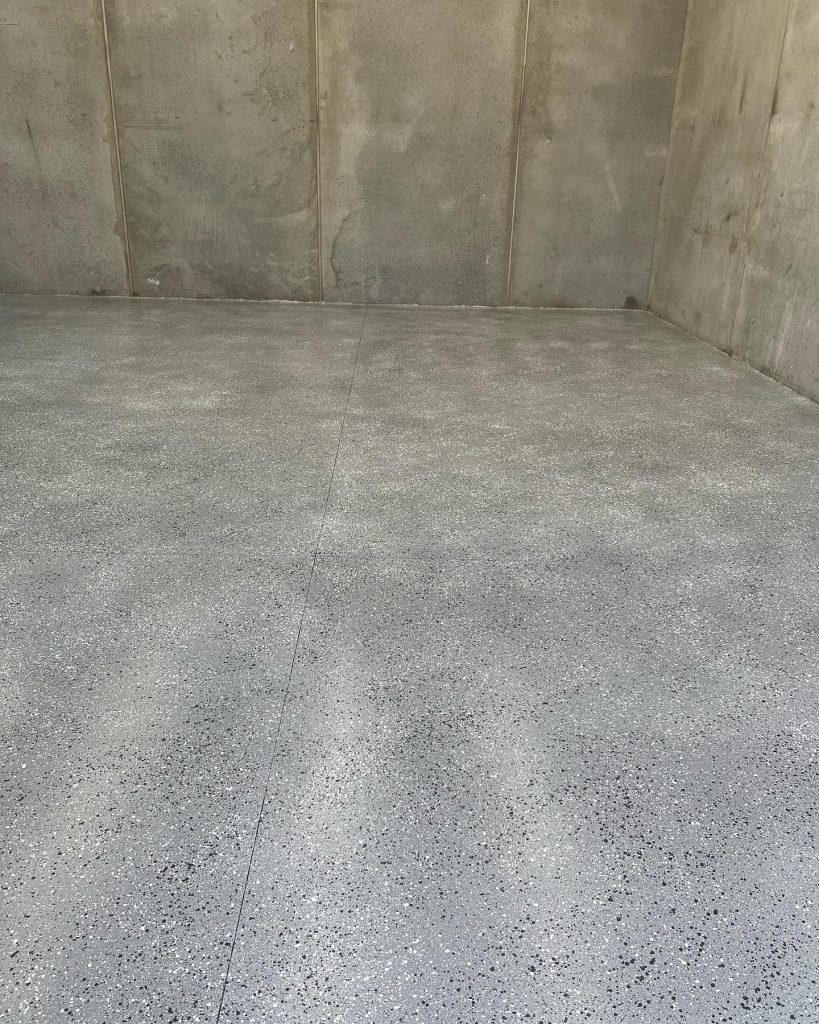
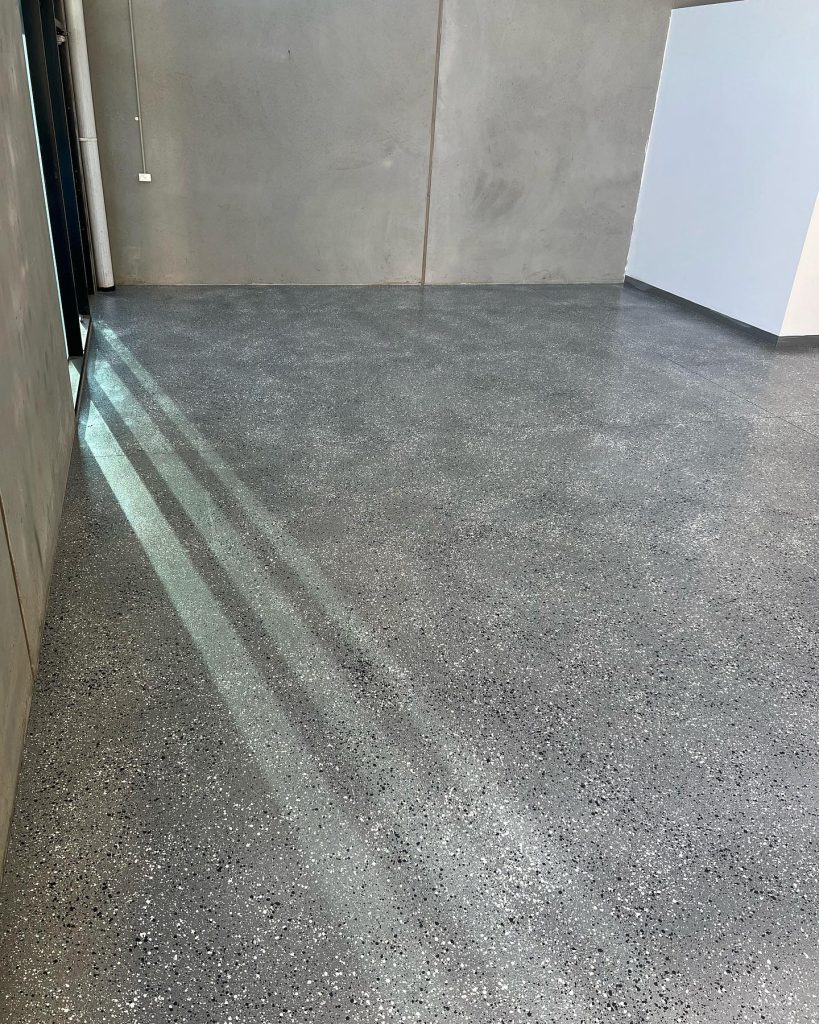
A water-based epoxy finish designed to mimic the look of exposed aggregate while creating a smoother, easier-to-clean surface. It sits in the mid-range pricing bracket between a standard single-colour epoxy roll coat and a full flake epoxy flooring system.
The finish provides a decorative stone-style appearance for commercial and industrial floors, with anti-slip options available where extra grip is required. It is a practical choice for factories, workshops, storage areas and commercial spaces that need a durable floor coating with more visual appeal than a plain roll coat, without the higher cost of a full flake system.
Why Choose Nupave for Your Epoxy Flooring
Nupave has been in business since 1993, with 30+ years of experience across concrete, surface preparation, coatings and commercial and industrial flooring services.
We are owner-operated and use our own experienced crew. No subcontracting means better control over surface preparation, mixing, application, cure windows and final finish.
Our team works across Melbourne, Mornington Peninsula, Bass Coast, Phillip Island, West Gippsland and South Gippsland. We understand local conditions, slab issues, access constraints, commercial shutdown pressures and the difference between a retail fit-out and a heavy industrial job.
Nupave handles both commercial fit-out epoxy and heavy-duty industrial epoxy. That includes showrooms, offices, gyms, hospitality venues, commercial kitchens, warehouses, factories, workshops, automotive sites, food processing and chemical handling areas.
Project photography is available on request so clients can see relevant completed work before committing.
We provide expert advice on the flooring solution that will suit your site, not just the cheapest coating. Where required, systems are specified with Australian Standards, workplace safety, slip resistance and commercial installation requirements in mind.
Service Areas
Nupave provides epoxy flooring and concrete coatings across:
Mornington Peninsula
Bass Coast and Phillip Island
West Gippsland region
South Gippsland area
If your project is outside these areas, talk to the team. We can confirm availability, timing and whether the job suits our crew schedule.
Get Your Site Inspected Today
If you need a reliable epoxy flooring company for a commercial or industrial project, get Nupave to inspect the site before you lock in a flooring option.
A proper site inspection helps confirm the concrete condition, preparation requirements, coating system, slip resistance, cure time, access, downtime and cost. It also helps avoid the common problem of quoting a thin floor coating when the site really needs a heavier industrial epoxy system.
Call Nupave: Contact the team through nupave.com.au
Request a Quote: Send through your site details, floor area, location and project timing
Free Site Inspection: Available for suitable commercial and industrial flooring projects
Frequently Asked Questions
How long does industrial epoxy flooring installation take?
A 100m² commercial epoxy flooring install is typically 2–3 days, depending on surface preparation, grinding, repairs, coating type and cure time.
Heavy industrial sites, existing coatings, contaminated concrete, moisture issues or extensive grinding can push the timeline out. New concrete must cure for at least 30 to 60 days before applying any coating, and exposed aggregate preparation prior to coating can take around 4 days.
How long do epoxy floors last in industrial settings?
Epoxy flooring is known for its extreme durability, making it suitable for high traffic areas and capable of lasting up to a decade or more with proper care.
The actual lifespan depends on system type, preparation, coating thickness, traffic, chemical exposure, cleaning methods and whether the floor is allowed to cure properly before use.
What's the difference between commercial and industrial epoxy systems?
Commercial epoxy flooring is generally used for commercial spaces such as retail stores, offices, hospitality venues, gyms and showrooms where appearance, cleanability and foot traffic durability matter.
Industrial epoxy flooring is designed for industrial settings such as warehouses, factories, workshops, food production and chemical handling areas where heavy equipment, vehicle traffic, impact, wash-down cleaning and chemical resistance are required.
Can you apply epoxy over existing concrete floors?
Yes. Epoxy flooring can be applied directly onto existing concrete foundations, making it a practical and efficient choice for commercial spaces.
The concrete still needs to be assessed, cleaned, mechanically prepared and repaired where needed. Old coatings, weak concrete, cracks, oil contamination and moisture issues must be addressed before installation.
What preparation is required for epoxy installation?
Preparation usually involves site assessment, moisture checks, diamond grinding, shot blasting where needed, crack and joint repairs, cleaning and primer application.
For effective adhesion, the concrete must be mechanically profiled. A specialised moisture-blocking primer may also be required to prevent outgassing in concrete before the epoxy application.
How do I maintain my epoxy floor once installed?
Epoxy flooring requires minimal maintenance, primarily involving regular cleaning to maintain its appearance and performance.
Routine cleaning of epoxy floors can be done with a microfibre mop and a pH-neutral cleaner, avoiding harsh chemicals that may dull the finish. After curing, epoxy floors still need consistent care to maintain their appearance and prevent micro-scratching or chemical degradation.