Does Concrete Resurfacing Last?
You have probably seen one website say concrete resurfacing lasts 8-12 years, while another claims 10-15 years or more. It is no surprise there is confusion around how long concrete resurfacing actually lasts.
The truth is, there is no one-size-fits-all answer.
Concrete resurfacing lifespan depends heavily on:
- The preparation work completed before resurfacing
- The products used
- The experience of the installer
- Traffic levels
- Exposure to weather and UV
- Ongoing maintenance
At Nupave, we would rather show real-world results and explain the reasons behind longevity instead of throwing around generic numbers with no proof behind them.
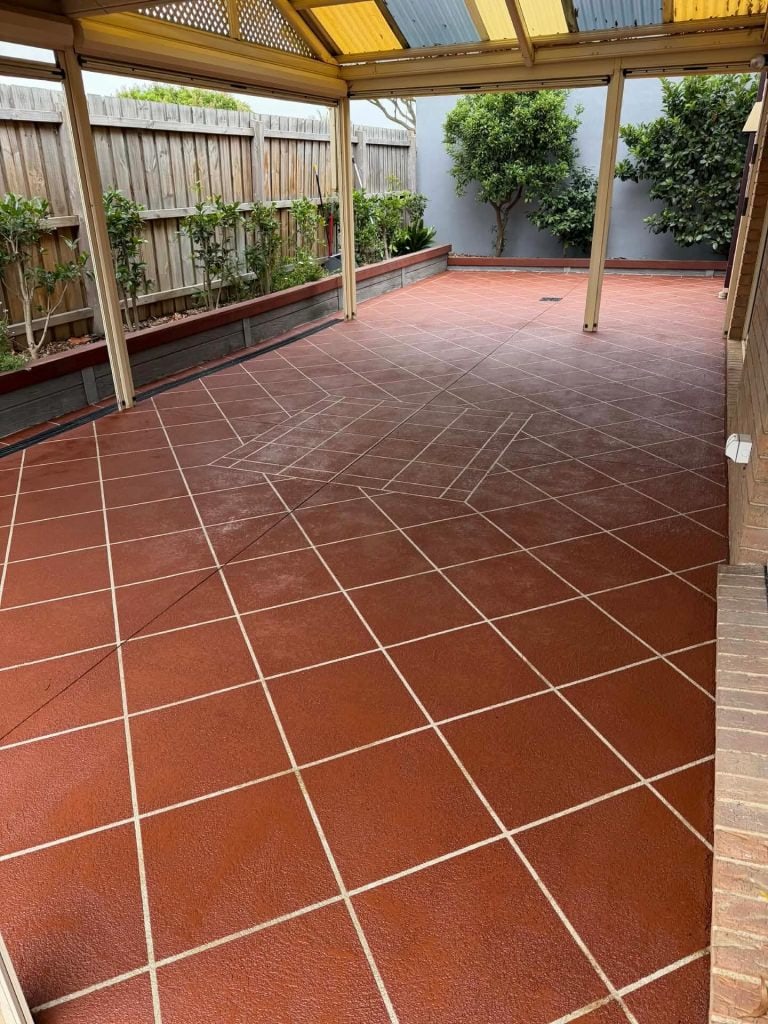
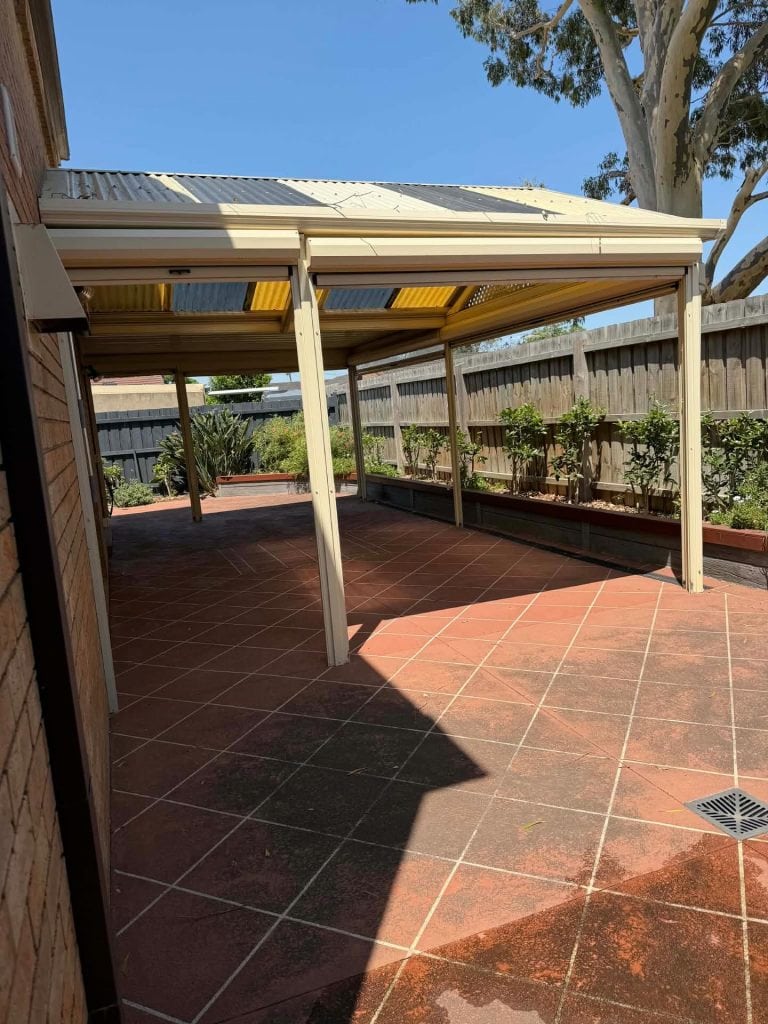
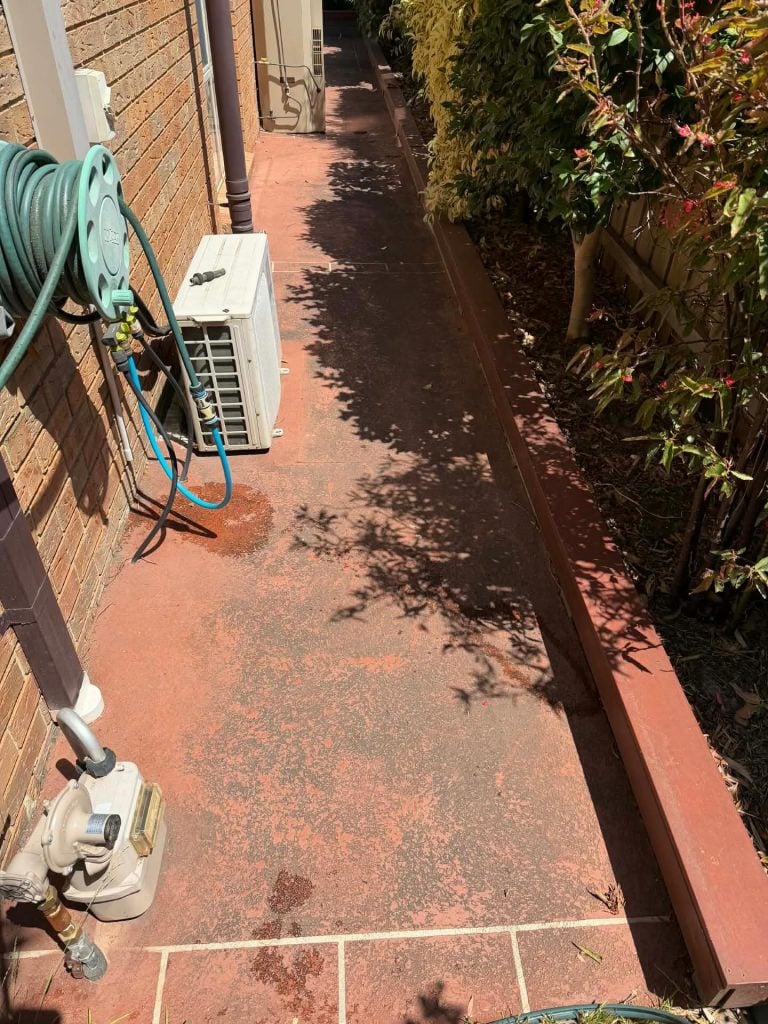
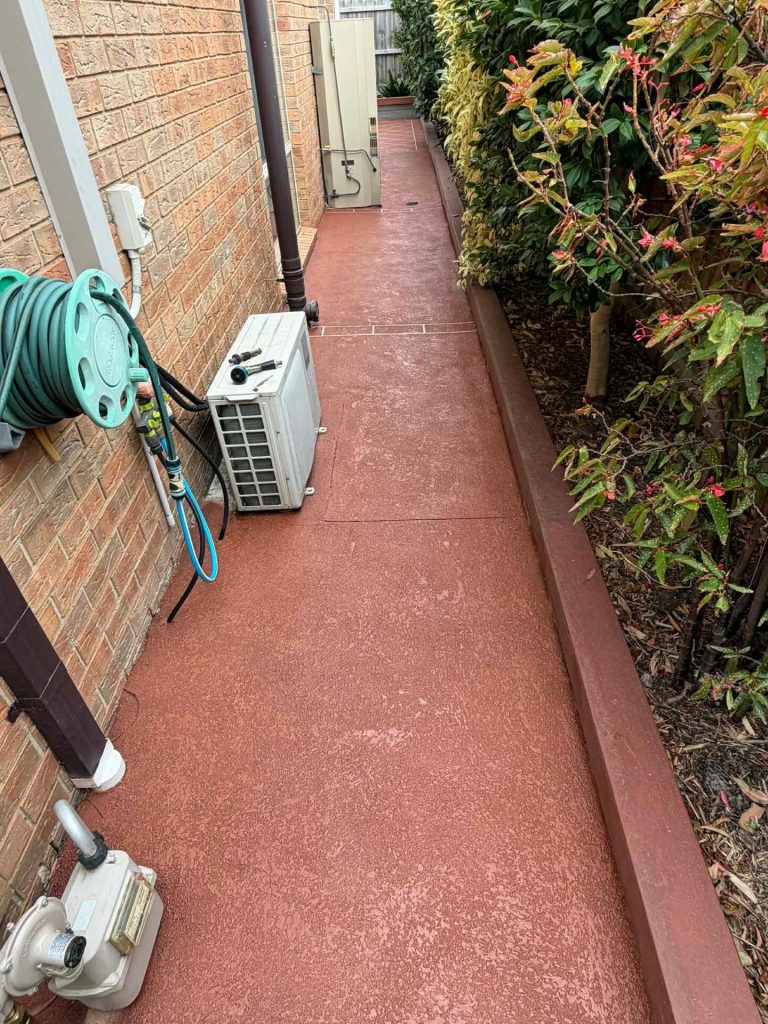
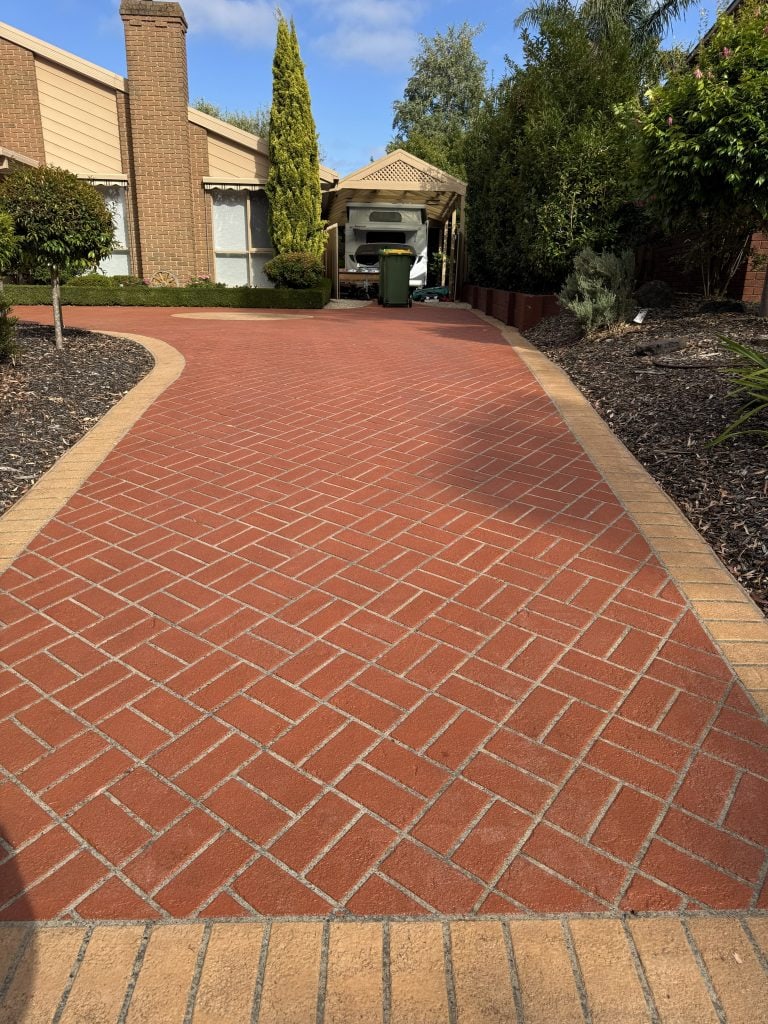
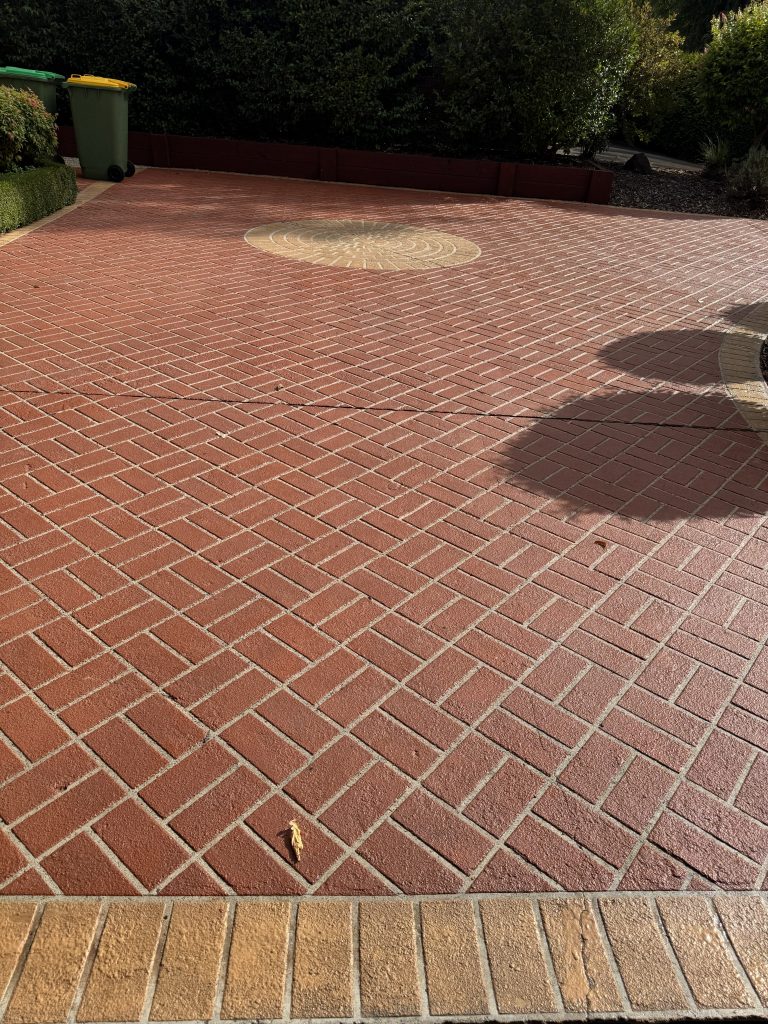
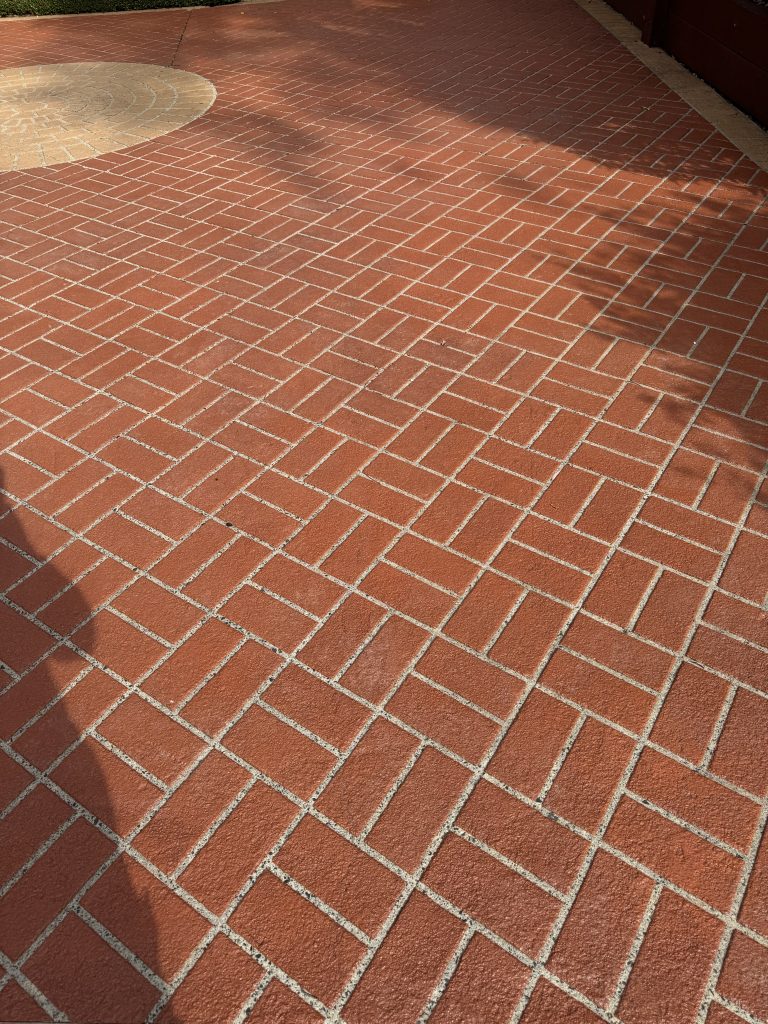
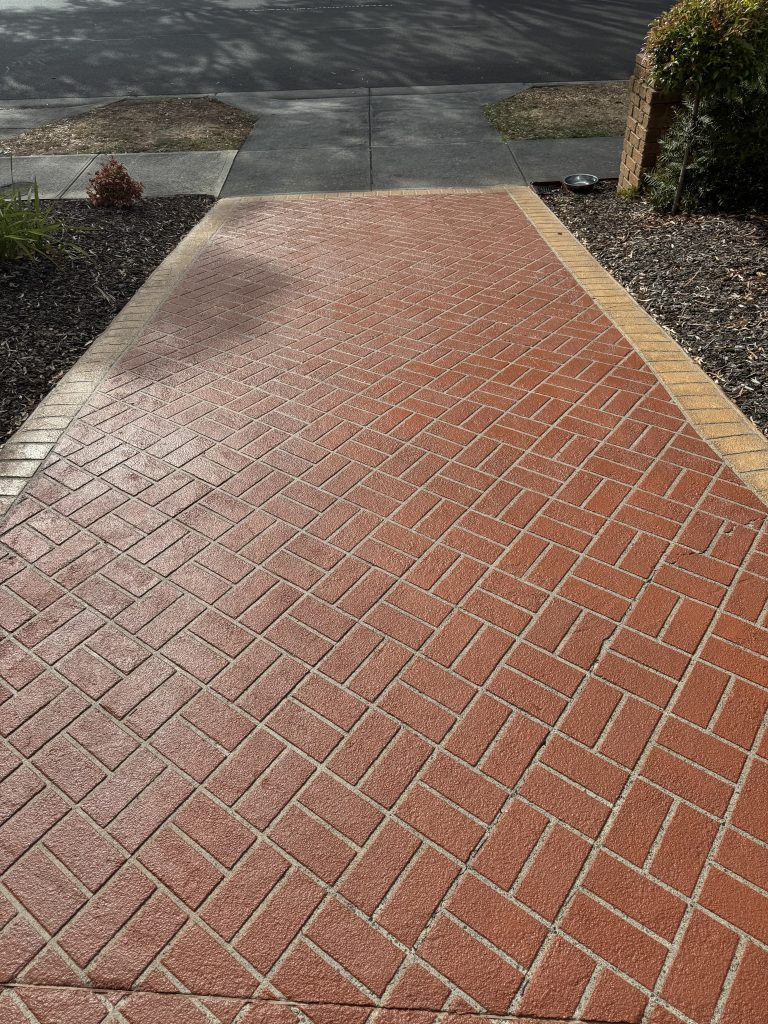
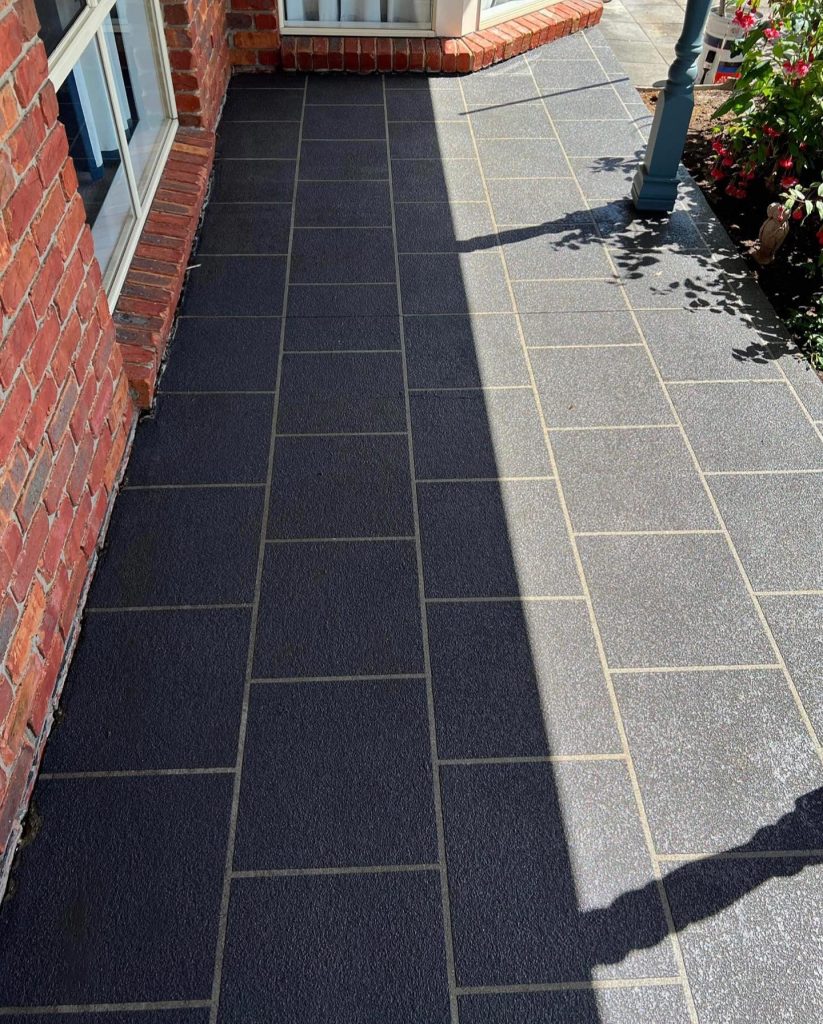
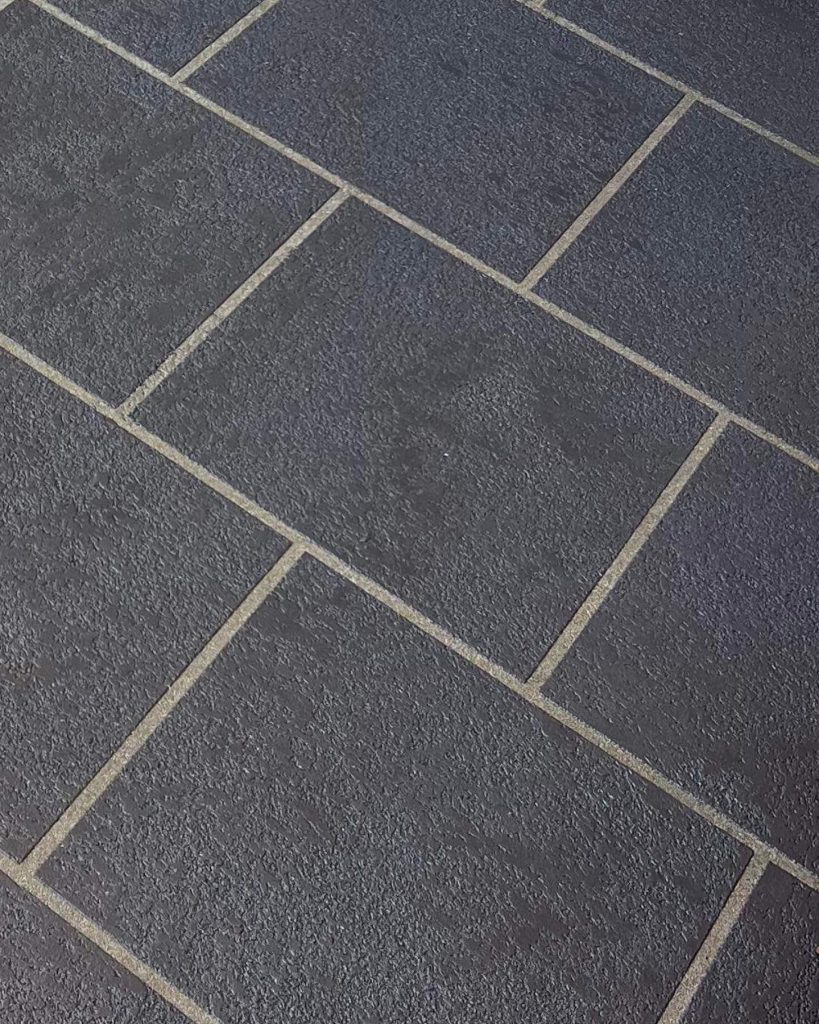
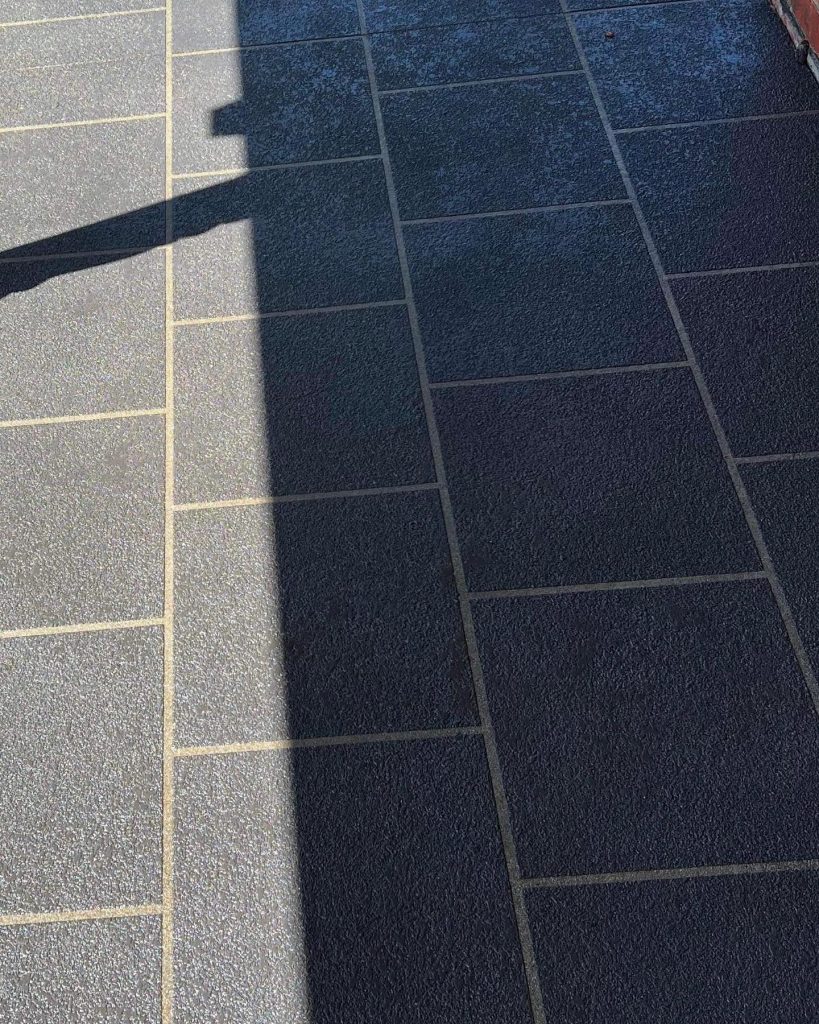
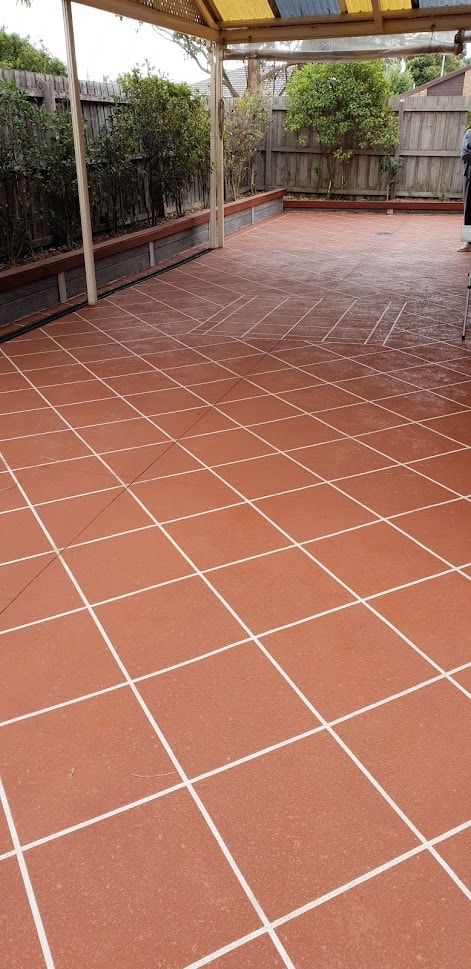
Outdoor Entertaining Area 8 Years After Concrete Resurfacing- Noble Park
Concrete Resurfacing Lifespan
Some resurfaced concrete may last 10 years before requiring major attention depending on vehicle traffic, sun exposure and maintenance habits.
Some jobs unfortunately may only last 10 months if shortcuts were taken during preparation. Poor grinding, lack of primer, weak mixes or sealing over unstable surfaces can all lead to premature failure. In many cases, those contractors are nowhere to be found once problems appear.
On the other hand, properly prepared and maintained concrete resurfacing can last 20+ years. We have personally seen resurfaced areas still performing decades later when preparation was carried out correctly and maintenance schedules were followed.
The biggest difference between long-lasting resurfacing and failed resurfacing is almost always preparation and maintenance — not just the decorative finish itself.
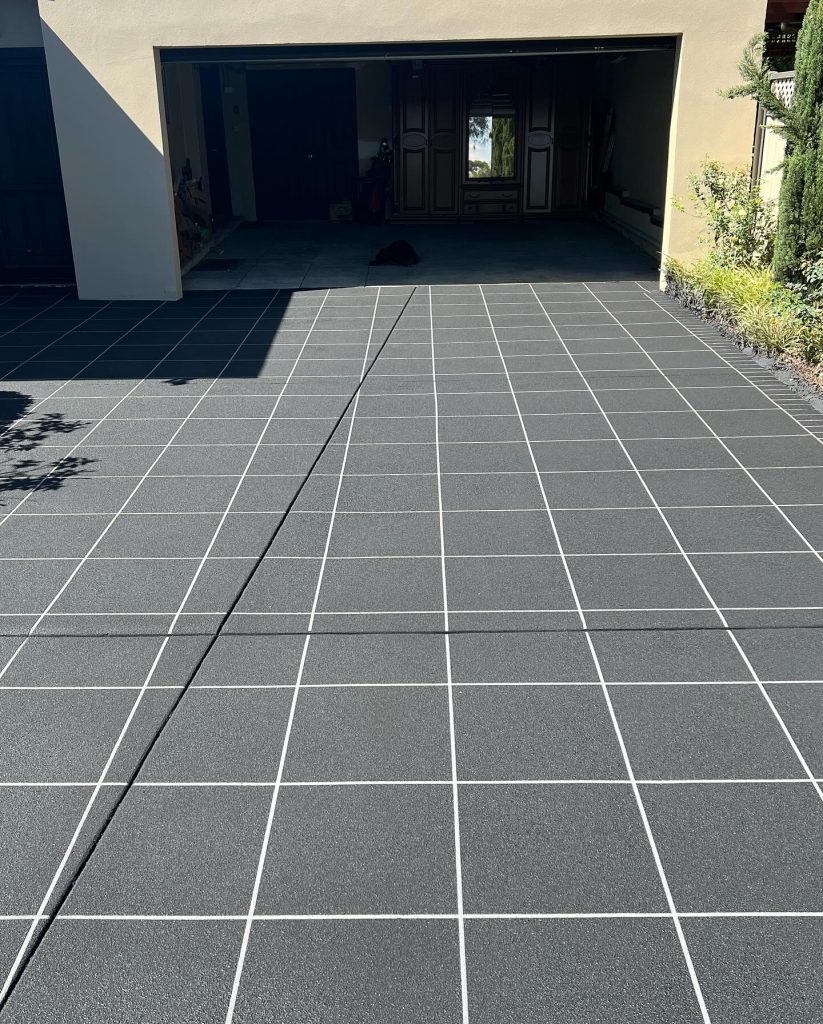
Decorative Concrete Driveway Resurfacing After 23 Years- Lilydale
Why Preparation Matters So Much
Concrete resurfacing is only as strong as the surface underneath it.
If contaminated concrete, failing coatings, moisture issues or weak surfaces are not dealt with properly before resurfacing begins, the new coating system is already compromised before the first coat is even applied.
This is why proper preparation may involve:
- Mechanical grinding
- Crack repairs
- Priming
- Removal of failed coatings
- Surface testing
- Correct resurfacing thickness
- Proper mixing ratios
- Choosing the correct sealer system
Skipping these steps may save time initially, but usually shortens the life of the resurfacing dramatically.
Front Porch Concrete Resurfacing 22 Years Later- Safety Beach
How do you Extend the Lifespan of Concrete Resurfacing?
Even the best resurfacing system still requires maintenance over time.
Concrete resurfacing is not a “do it once and forget forever” product. Just like paintwork on a car, protective sealers gradually wear from traffic and weather exposure.
At Nupave, we recommend:
- Pressure cleaning every 6–12 months depending on use and environment
- Resealing when required based on wear levels
- Earlier inspections for high-traffic or commercial areas
- Custom maintenance schedules where needed
Some surfaces may require attention sooner, while others can go much longer between maintenance cycles.
Nupave Maintenance Program
Nupave offers ongoing maintenance scheduling for resurfaced concrete and sealed surfaces.
This includes:
- Scheduled pressure cleaning reminders
- Resealing inspections
- Maintenance recommendations based on traffic and exposure
- Free minor defect rectification during resealing where applicable
Small issues addressed early are far easier and cheaper to manage than allowing a surface to deteriorate over years without maintenance.
The goal is not just to install concrete resurfacing — it is to help maximise the lifespan of the surface long term.
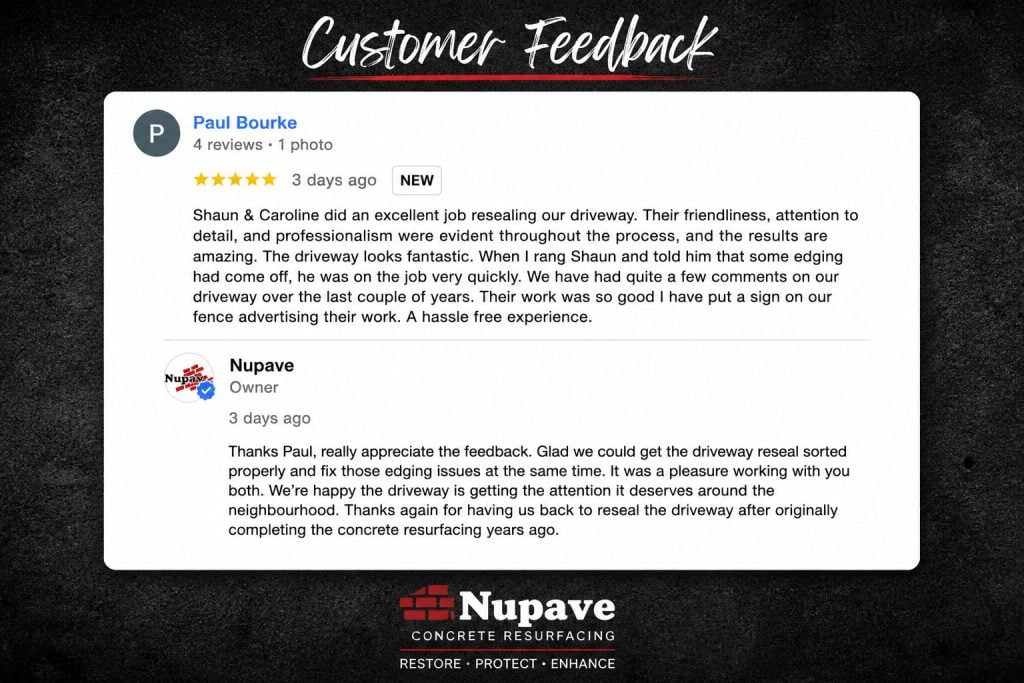
Client Review From Ferntree Gully- Nupave Concrete Maintanence Program
The Bottom Line
Concrete resurfacing can absolutely last 20+ years when:
- The preparation is done correctly
- Quality products are used
- The installer understands the system properly
- Maintenance is followed
It can also fail very quickly when corners are cut.
That is why experience, preparation and client orientated mindset matter far more than generic lifespan claims on the internet.
What is the most important thing that makes concrete resurfacing last?
Preparation is the biggest factor in how long concrete resurfacing lasts. If the surface is not prepared correctly, the coating may fail well before the warranty period.
The existing concrete needs to be cleaned, ground where required, repaired properly and prepared so the resurfacing system can bond to the slab. Sealer, paint, weak coatings, dust and loose material should not be left underneath the new resurfacing layer.
Repairs also matter. Not every crack should simply be filled with epoxy or mortar and coated over. Some movement cracks need proper treatment first, otherwise they can show through the new finish later.
Product quality and coverage rate also matter — even a perfectly prepared surface won’t perform if the resurfacing system is applied below the recommended thickness.
Is sealing every 2–5 years really needed?
Yes. Resealing is part of maintaining concrete resurfacing. The resurfacing layer gives the concrete its decorative finish, but the sealer protects it from weather, UV exposure, dirt, oil, tyre marks and stains.
Most resurfaced driveways, paths and outdoor areas should be resealed every 2–5 years depending on traffic, sun exposure, cleaning, drainage and how the surface is used.
Your resurfacing will not fall apart if you do not reseal it, but the surface will become more susceptible to colour fading, staining and UV degradation. In high-traffic areas, an unsealed surface will also absorb oil and tyre marks more readily, making it harder to clean over time.
Resealing protects the finished surface, but it does not rebuild the resurfacing layer underneath. If a resurfaced area is already wearing through from traffic, that usually points to the coating system itself, not simply a lack of sealer.
How long should it take to resurface a driveway?
Most standard driveway resurfacing jobs take 2–4 days, depending on the size of the driveway, weather, preparation required, repairs, finish type and sealing system.
A simple single-colour resurfacing job can often be completed faster, while exposed aggregate look, stencil, slate impression, cut stone or Timbercrete finishes usually take longer because they involve more preparation and detail work.