

Nupave recommended external concrete specification — Hampton East
Group 1 — Bayside / Sand Belt — Brighton Group Sands
Concrete: 32 MPa (all exposed aggregate)
Indicative regional ground conditions
Hampton East sits on the Bayside / Sand Belt, where the natural profile is dominated by free-draining Brighton Group sands. Regional ground conditions are generally stable and low-reactivity, though loose sand pockets can require additional compaction. The actual AS 2870 site classification for any individual property can only be established through a site-specific geotechnical investigation, taking into account soil profile, fill, moisture conditions and vegetation.
Regional ground movement (indicative, AS 2870)
Ground of this type may exhibit generally low seasonal surface movement (indicatively under 20 mm). This is a regional indicator only — actual movement at a given address depends on soil profile, moisture history and tree influence.
| Application | Slab thickness | Sub-base | Reinforcement |
|---|---|---|---|
| Path / foot traffic | 75–100 mm | 50–75 mm compacted crushed rock | SL72 |
| Driveway (cars up to 3 t) | 100 mm | 75–100 mm compacted crushed rock | SL72–SL82 |
| Occasional truck (3–10 t) | 125–150 mm | 100 mm compacted crushed rock | SL82 or rebar |
Nupave standard specification for typical conditions of this soil group — subject to site-specific assessment. Not a design substitute for a project engineer’s report where one is required.
| Saw-cut / control joint spacing (100 mm slab) | |
|---|---|
| Spacing between cuts | 2.7 m – 3.0 m (standard spacing) |
| Cut depth & timing | At least 25 mm on a 100 mm slab (¼ slab thickness). Saw-cut as soon as the concrete can be cut without excessive ravelling — timing will vary with the mix, weather and saw type. A quick trial cut on a low-visibility edge or offcut is best practice before committing to the full grid. |
| What joints do | Closer joint spacing and properly proportioned panels encourage drying-shrinkage and thermal movement to occur at planned locations. Control joints reduce the risk of random cracking; they do not prevent cracking caused by inadequate support or differential ground movement. |
| Panel shape | Keep panels close to square (length ≤ 1.5× width). Long, narrow panels are more prone to random cracking regardless of joint spacing. |
Concrete grade
All Nupave exposed aggregate is poured at N32 as standard, regardless of soil group. The aggregate-exposure process removes the top cement paste layer, so the slab benefits from the higher compressive strength, improved durability and better abrasion resistance of N32. For non-exposed external concrete work, Nupave specifies N25 or N32 depending on application, anticipated loading, exposure conditions, selected finish and any site-specific engineering requirements. Concrete strength alone does not compensate for inadequate subgrade preparation, drainage or ground movement — it is one element within a properly detailed slab system.
Slip layer (poly membrane)
A polyethylene separation or slip membrane may be considered where required by the slab design or site conditions. It can reduce friction between the slab and compacted base during concrete shrinkage, but does not prevent settlement, heave or other vertical ground movement. Where a project engineer or geotechnical report specifies membrane use, that specification takes precedence.
Sub-base — why it’s a key part of the quote
Correct excavation, drainage, and a uniformly compacted crushed-rock base significantly reduce settlement and provide consistent support under the slab. It adds cost — both in laying and compacting the base, and in the extra excavation and spoil-removal that comes with the deeper dig — but that preparation is what a slab needs to perform over the long term. The preparation actually required may vary where uncontrolled fill, soft areas or unsuitable material are encountered on the specific site.
Curing coat
Concrete requires curing to develop its full design strength and durability. A liquid curing coat is applied after finishing, once bleed water has disappeared and in accordance with the manufacturer's requirements. It seals moisture into the concrete so hydration continues over the first 7 days — when the concrete's real strength develops. In summer, hot dry weather removes surface moisture quickly, so curing coat is essential to prevent surface crazing and reduced final strength. In winter, lower temperatures slow hydration, so curing is still required to reach design strength — the curing coat is still applied, and duration may need to be extended. Nupave applies curing coat as standard on all pours year-round.
Microfibres in concrete mix Optional add-on
What fibres actually do. Microfibres (polypropylene) get mixed through the whole pour and mainly control plastic shrinkage cracking in the first 24 hours, plus improve abrasion / impact resistance — they don’t add real structural tensile capacity. Macrofibres (heavier synthetic or steel) go further, adding post-crack toughness and some flexural strength.
Genuine benefit as an add-on: reduces fine / hairline shrinkage cracking and improves durability on any slab, sand or clay.
Should NOT replace mesh on soft or highly plastic clay soils: fibres provide no real resistance to the larger, ground-movement-driven cracks that mesh or rebar controls.
Salt / coastal exposure
Suburbs within roughly 1 km of Port Phillip Bay are subject to salt spray. Nupave uses B1 exposure classification (N32 minimum) and increases concrete cover to reinforcement on foreshore-proximate work to protect against saline-induced corrosion.
Important: This is Nupave’s enhanced standard specification for typical conditions in this suburb group, and is presented as a general reference. It is not a site-specific engineering design. Actual specifications for any individual property may vary based on site conditions, uncontrolled fill, tree influence, drainage, or requirements identified in a site-specific geotechnical or engineer’s report. Where an engineered design has been prepared for the site, that design takes precedence.
Exposed Aggregate Concrete for Driveways and Entryways Hampton East
Professional Exposed Aggregate Installation and Restoration
As one of Melbourne’s Bayside suburbs, Hampton East is a residential suburb that offers a quieter alternative to the beachside suburbs while still being close to the coast, positioned around 16 km southeast of Melbourne CBD. Housing in Hampton East is characterised by predominantly single-storey brick veneer homes from the 1950s-70s, with an increasing number of knockdown rebuilds. Hampton East sits within the Bayside corridor, an area with growing demand for quality home improvements. Key landmarks include Castlefield Reserve, close to Moorabbin Airport, and easy access to the Nepean Highway. Whether you’re upgrading an existing driveway or finishing a new build in Hampton East, exposed aggregate delivers a durable and visually appealing result.
Exposed aggregate concrete delivers a durable, slip-resistant finish that reveals natural stone textures beneath the cement surface—combining structural performance with decorative appeal for Melbourne properties.
Nupave specialises in exposed aggregate installation and restoration across Melbourne, the Mornington Peninsula, Bass Coast, Phillip Island, and surrounding regions. Our team handles everything from new driveways and pool surrounds to commercial flooring projects, using locally sourced aggregates and installation methods that meet Australian Standards.
Why Exposed Aggregate Concrete is Perfect for Melbourne Properties
Low Maintenance Requirements When Properly Sealed
Exposed aggregate concrete is low maintenance when properly sealed, with resealing typically required every few years to protect against stains, moisture, and wear. General upkeep is simple, usually involving occasional cleaning with water or mild detergent to maintain its appearance. Compared to materials like pavers or timber, it requires significantly less ongoing maintenance while still delivering long-term durability.
What Exposed Aggregate Concrete Is and How It’s Created
Exposed aggregate concrete is a decorative concrete finish created by removing the top layer of cement paste to reveal the natural stone, pebbles, and gravel embedded within the mix. This process produces a textured, visually distinctive surface that differs significantly from plain finished concrete. The aggregate—whether basalt, granite, river pebbles, or crushed quartz—becomes the dominant visual element, creating surfaces that range from subtle stone exposure to pronounced decorative textures depending on the desired appearance.
Unlike standard concrete where the aggregate remains hidden beneath a smooth cement surface, exposed aggregate incorporates natural stones as a visible design feature. The variation in stone size, shape, and colour allows for a customised appearance, with each installation carrying a unique character determined by the specific aggregate blend selected. This method has been used in Melbourne for decades, with local suppliers offering aggregate options sourced from Victorian quarries—primarily basalt from the Newer and Older Volcanics geological formations, along with granite and sedimentary rock materials.
The finish is achieved through a controlled washing process where the surface layer of concrete is exposed at a precise timing window. Surface retarders are applied to delay cement paste hardening on the top layer, allowing contractors to wash away the cement and reveal the underlying aggregate without dislodging the stones. This technique requires careful control—exposure too early risks aggregate loss, while waiting too long makes the cement paste difficult to remove. The result is a surface where approximately one-third of the smallest aggregate size becomes visible, creating the characteristic textured appearance.
Visual Appeal and Customisation Options
Exposed aggregate delivers aesthetic appeal through the natural beauty of stone rather than applied colours or stamped patterns. The range of available aggregates—from deep blue-grey basalt to warm-toned granite, from smooth cream river pebbles to sparkling crushed quartz—allows property owners to select finishes that complement their home’s architecture, landscaping, and personal preferences.
Customisation extends beyond simple colour selection. Aggregate size affects the visual texture and feel of the finished product, with options typically ranging from 7mm to 20mm nominal sizes. Smaller aggregates (7mm) create finer textures suitable for areas where barefoot comfort is prioritised, while larger aggregates (14-20mm) produce more pronounced textures appropriate for driveways and high-traffic commercial applications.
Blended aggregates allow for further design control, combining different stone types to create specific colour combinations or visual effects. Some installations incorporate accent aggregates—crushed shells for coastal properties, distinctive quartzite for contemporary designs—to achieve particular design outcomes. This level of customisation means exposed aggregate can suit both modern architectural styles and traditional Melbourne homes, adapting to diverse aesthetic requirements.
Is New Concrete Always Necessary?
Before committing to new exposed aggregate concrete, it’s worth having your existing surface professionally assessed. In many cases, concrete that appears worn, outdated, or damaged can be restored or resurfaced at a significantly lower cost than full replacement. A proper evaluation can help determine whether excavation is actually necessary, potentially saving thousands while still achieving a high-quality finish. Getting expert advice first ensures you’re making the right decision based on the condition of your current concrete, not just assumptions.
We’ll walk you through your options clearly so you can make the right decision without pressure.
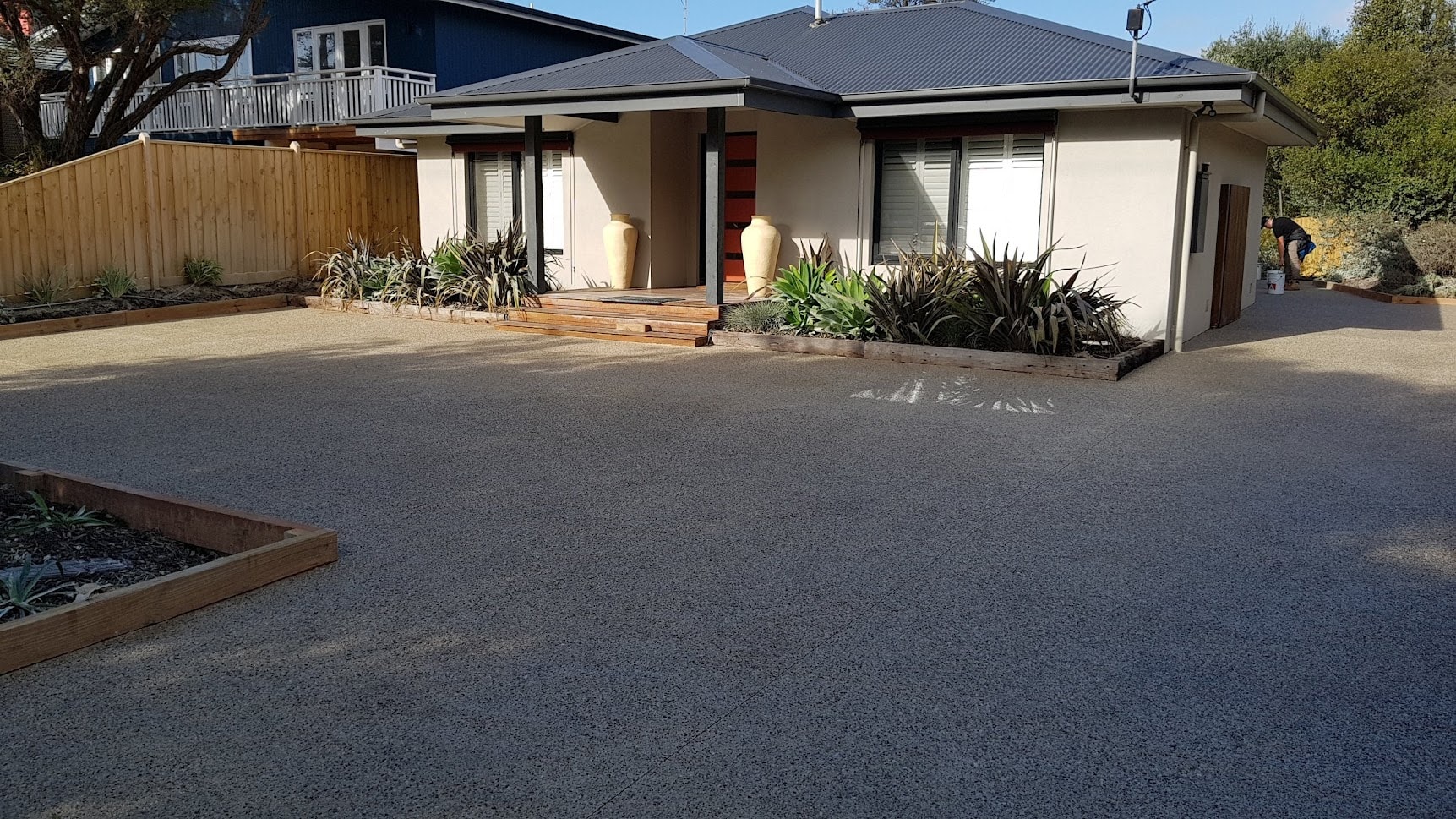
Our Exposed Aggregate Services
Residential Exposed Aggregate
We provide custom exposed aggregate installations for residential properties across Melbourne, with each project tailored to suit the home’s style, usage, and site conditions. Driveways, pathways, patios, and pool surrounds are designed with the right aggregate selection, reinforcement, and drainage to ensure both visual appeal and long-term performance. Where suitable, we also assess existing concrete for resurfacing options, offering a cost-effective alternative to full replacement when the slab is structurally sound.
Concrete Services in Hampton East
Frequently Asked Questions
Is exposed aggregate suitable for Melbourne’s weather?
Exposed aggregate performs well in Melbourne’s climate conditions. The natural stone aggregates resist UV degradation that affects coloured or stamped concrete treatments. The textured surface provides reliable traction during wet weather—valuable given Melbourne’s rainfall distribution throughout the year.
Temperature variations in Melbourne rarely approach freeze-thaw conditions that damage concrete in colder climates, reducing one potential deterioration mechanism. Proper installation with attention to drainage prevents water ponding that might cause localised deterioration. The slip resistant properties suit Melbourne’s frequent rain events, maintaining safety for pedestrians and vehicle traction for driveways.
Coastal areas within our service region require attention to salt exposure, with appropriate sealer selection for marine environments.
Is resurfacing an option before installing new exposed aggregate?
Before committing to new exposed aggregate concrete, it’s worth checking whether resurfacing is a viable alternative. Many surfaces can be upgraded at a lower cost, making it important to assess the existing concrete before deciding on full replacement.
Is exposed aggregate suitable for driveways?
Yes, exposed aggregate is widely used for driveways due to its strength and ability to handle vehicle traffic. Its textured surface also provides additional grip compared to plain concrete.
What is exposed aggregate concrete?
Exposed aggregate concrete is a decorative finish where the top layer of cement is removed to reveal the natural stones within the mix. This creates a textured, durable surface commonly used for driveways, pathways, and outdoor areas.
Our Professional Installation Process
Every exposed aggregate project begins with a detailed site assessment, where we evaluate soil conditions, drainage, access, and overall layout. This allows us to recommend the right preparation method and help you select an aggregate that suits your home, surroundings, and intended use.
Preparation is key to long-term performance. The area is excavated, a compacted crushed rock base is installed, and reinforcement is placed to provide strength and stability. Formwork and drainage are carefully set to ensure the finished surface performs as well as it looks.
Concrete is then poured, levelled, and finished to the required specification, with timing carefully controlled to achieve consistent aggregate exposure. A surface retarder is applied and later washed off to reveal the natural stone, creating the textured finish exposed aggregate is known for.
Once cured, the surface is sealed to protect against staining, moisture, and wear while enhancing the natural colour of the stone. With proper installation and ongoing maintenance, exposed aggregate delivers a durable, long-lasting result suited to Melbourne conditions.
Get Your Free Exposed Aggregate Quote Today
Service Areas
Nupave provides exposed aggregate installation and restoration services throughout Melbourne metropolitan areas and the broader region:
Melbourne Metropolitan – All suburbs including eastern, western, northern, and southern Melbourne
Mornington Peninsula – From Frankston to Portsea and surrounding areas
Bass Coast and Phillip Island – Coastal properties and township locations
West and South Gippsland – Regional service for residential and commercial projects
Our team provides free onsite quotations including site assessment, aggregate selection consultation, and detailed project pricing. We can present aggregate samples and discuss design options appropriate to your property and requirements.
Phone: Contact our office to schedule your consultation
Service commitment: Professional installation to Australian Standards with quality local aggregates
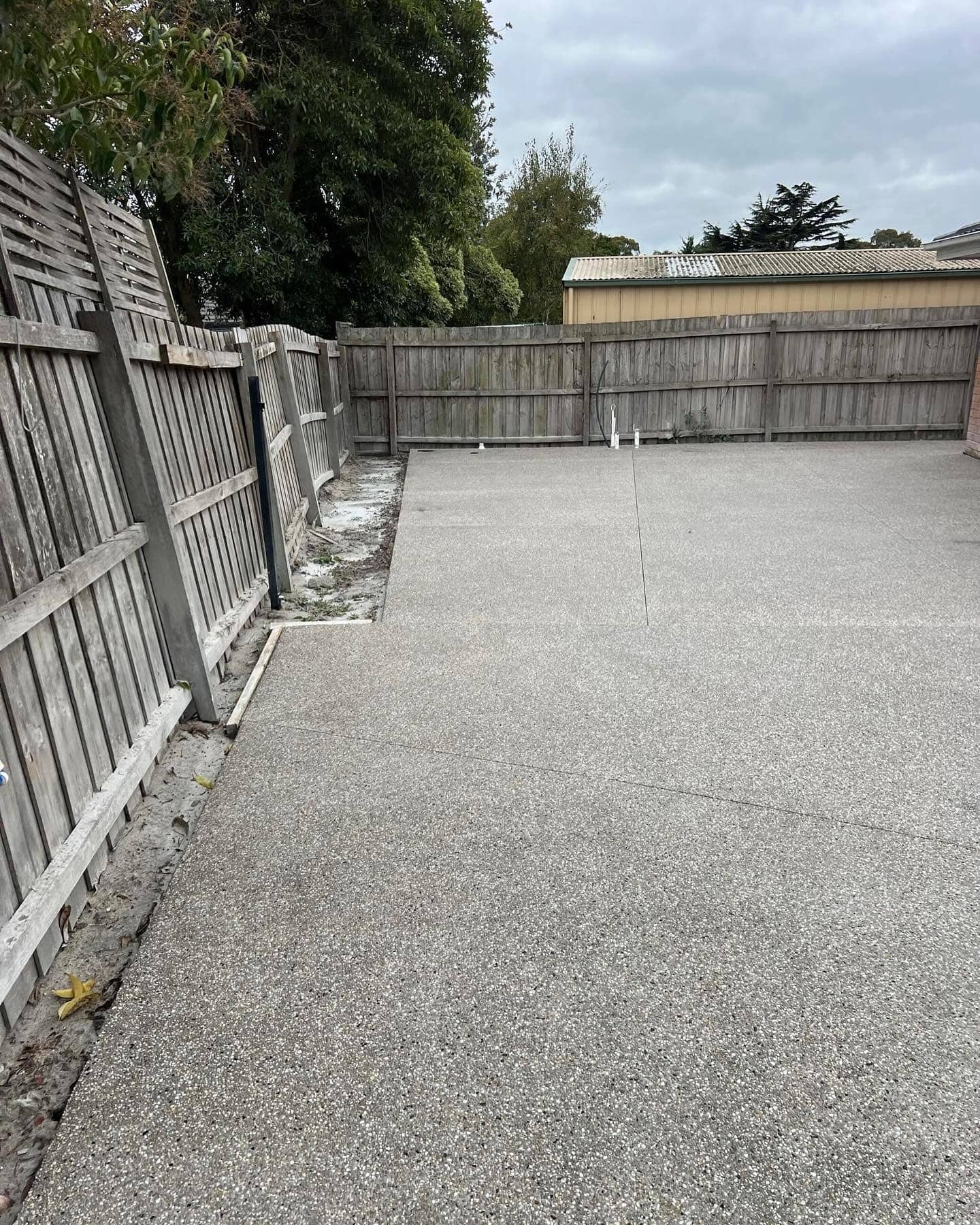
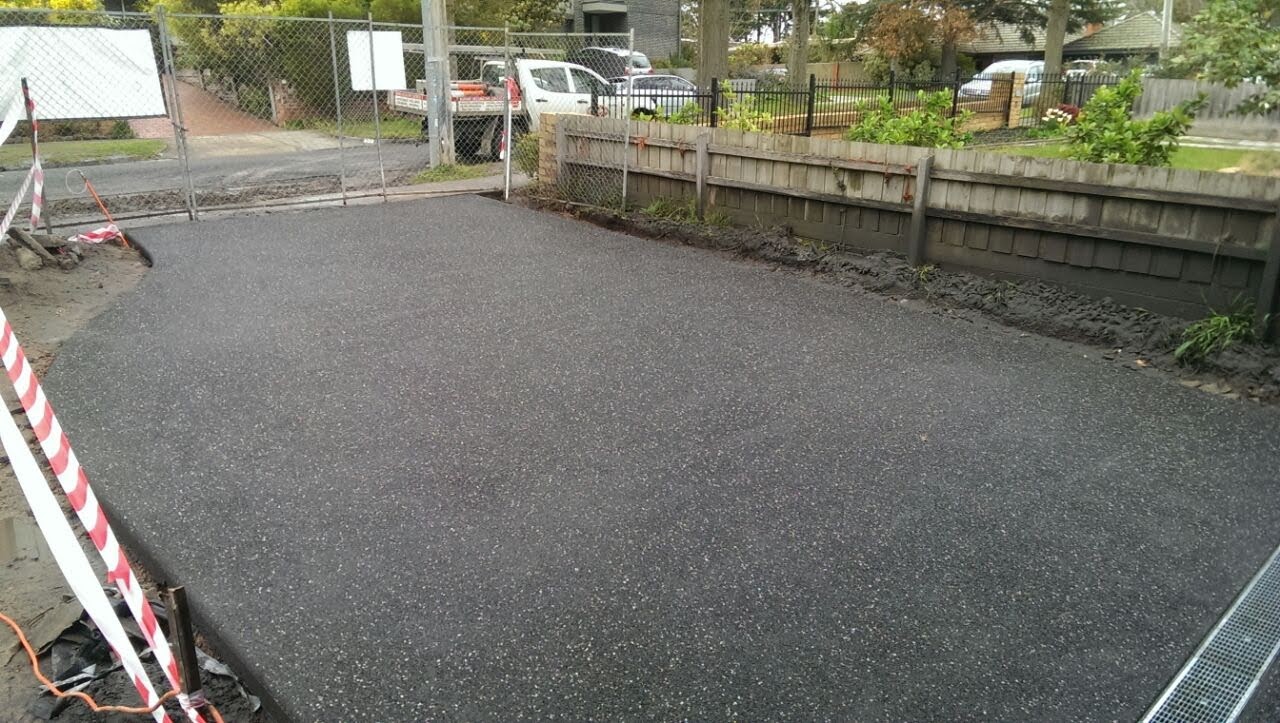
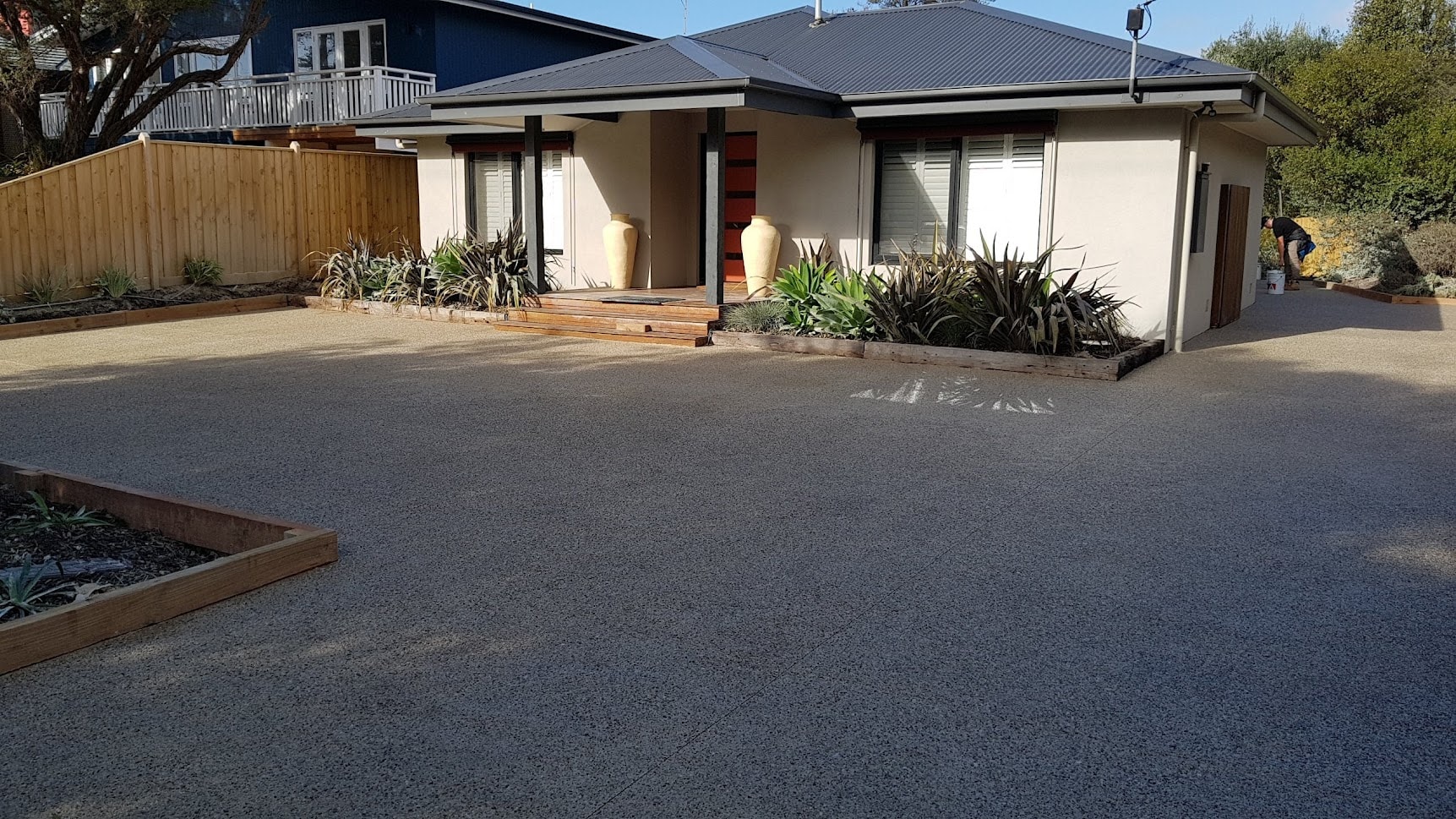
Hampton East is full of post-war family homes on neat blocks, with plenty of original concrete frontages still in the ground. Where the existing concrete is still sound, concrete resurfacing in Hampton East can recreate the exposed look without a full rebuild. Surrounding suburbs like Highett often see the same approach, with exposed finishes in strong demand locally. Our full exposed aggregate concrete Melbourne service extends right across the City of Bayside.